Hammer Curl
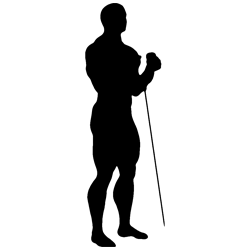
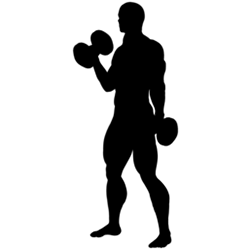
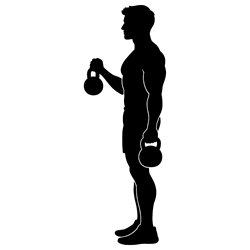
A curl with your palms facing each other: holding dumbbells, kettlebells or a cable rope, you curl toward your shoulders with a neutral grip, working your biceps and forearms.
Equipment
- Primary muscles
- Biceps
- Secondary
- Forearm flexors
- Difficulty
- Beginner
- Logged as
- Weight × reps
- Primary muscles
- Biceps
- Secondary
- Forearm flexors
- Difficulty
- Beginner
- Logged as
- Weight × reps
- Primary muscles
- Biceps
- Secondary
- Forearm flexors
- Difficulty
- Beginner
- Logged as
- Weight × reps
Loads from YouTube only when you press play. The video is by an independent creator.
Why do it
Hammer curls build the brachialis and forearm muscles alongside the biceps, which adds thickness to the upper arm, and most people can handle a little more weight than with a palms-up curl. They're a good second arm exercise after a regular curl, or a main one if palms-up grips bother your wrists. Dumbbells are the default; the cable rope keeps tension at the bottom; kettlebells hang below your hands and make your forearms work harder to keep your wrists straight.
How to do it (Cable)
Attach a rope to the low pulley and stand facing the machine, feet shoulder-width apart.
Hold both rope ends with your palms facing each other, arms straight and elbows at your sides.
Curl the rope up toward your shoulders, keeping your palms facing each other the whole way.
Lower it slowly to full extension. The neutral grip works the brachialis and forearms more than a supinated curl does.
Stand with your feet hip-width apart, a dumbbell in each hand with your palms facing each other.
Let your arms hang at your sides with your elbows close to your torso.
Curl the dumbbells toward your shoulders, keeping your palms facing each other the whole way.
Lower them slowly to full extension. The neutral grip hits the brachialis and brachioradialis harder than a supinated curl, and most people can handle a little more weight with it.
Stand with your feet hip-width apart holding a kettlebell in each hand by the handle, arms at your sides and palms facing your thighs.
Keep your elbows fixed at your sides and curl both kettlebells up toward your shoulders without rotating your wrists.
Squeeze the biceps at the top; the bells hang below your hands the whole time.
Lower slowly until your arms are straight. The offset weight of the bell works the forearms harder than a dumbbell, so keep your wrists straight.
Common mistakes
Turning the palms up
Letting your wrists rotate on the way up turns it into a regular curl. Keep your palms facing each other from bottom to top.
Swinging the weights up
Because the neutral grip lets you load heavier, it's easy to start each rep with a hip swing. Keep your elbows at your sides and lift with the arms only.
Letting the wrists bend
Heavy dumbbells and kettlebells tend to pull your wrists out of line. Keep them straight and let your forearm muscles hold them there.
Sets, reps and progression
How many sets you do and how close to failure you take them depend on your goal and your week, not on the exercise. These guides cover it:
Alternatives that train the same thing
Same movement, a different angle or piece of equipment.