Incline Curl
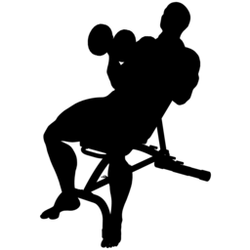
A dumbbell curl done sitting back on an incline bench: your arms hang behind your torso, so each rep starts with your biceps stretched before you curl the weights up.
- Primary muscles
- Biceps
- Secondary
- Forearm flexors
- Difficulty
- Beginner
- Logged as
- Weight × reps
Loads from YouTube only when you press play. The video is by an independent creator.
Why do it
Incline curls suit anyone who wants more from the bottom of the curl, where standing curls go light. Leaning back puts your upper arms behind your body, so the biceps starts each rep in a long, stretched position and you can't swing. You'll use less weight than on standing curls, and a more reclined bench gives you more stretch. Compared with a spider curl, which focuses on the squeeze at the top, this one is all about the bottom.
How to do it
Set a bench to 45-60 degrees, sit back against it and let your arms hang straight down, palms facing forward.
Curl the dumbbells up without moving your upper arms.
Lower them all the way until your arms are straight again.
The incline puts your biceps on stretch at the bottom, which is the point of the variation. Don't cut the bottom of the rep short.
Common mistakes
Rolling your shoulders off the bench
As the weight gets hard, your shoulders roll forward and the stretch disappears. Keep your back and shoulders against the pad for the whole set.
Swinging the upper arms forward
Bringing your elbows forward to finish the curl takes the biceps out of the stretched position. Keep your upper arms hanging straight down and move only your forearms.
Cutting the bottom short
The stretch at the bottom is the reason to do this curl. Lower all the way until your arms are straight.
Setting the bench too upright
Close to vertical, the bench just gives you a seated curl. Recline it enough that your arms hang behind your torso.
Sets, reps and progression
How many sets you do and how close to failure you take them depend on your goal and your week, not on the exercise. These guides cover it:
Alternatives that train the same thing
Same movement, a different angle or piece of equipment.