One-Arm Chin Up
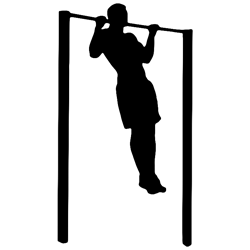
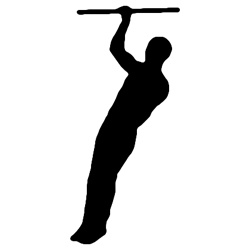
An advanced bodyweight skill: hanging from the bar with one hand, palm facing you, you pull yourself up until your chin is over the bar, mostly with your lat and biceps.
- Primary muscles
- Lats
- Secondary
- Upper back, Biceps, Forearm flexors, Obliques
- Logged as
- Reps
Loads from YouTube only when you press play. The video is by an independent creator.
Why do it
This is one of the hardest pulling skills you can do with bodyweight, and it suits people who already have high-rep chin-ups and want a long-term goal. The palm-up grip lets your biceps help more than in the palm-away version, so it's usually the first one-arm pull people achieve. Expect a long build-up of strict chin-ups, one-arm hangs and slow one-arm negatives. Progress gradually, since the working elbow takes a lot of load.
How to do it
Build up first: 10-15 strict chin-ups, one-arm hangs for grip, and negatives where you start at the top with two hands and lower with one.
Hang from the bar with one hand, palm facing you, free arm at your side or behind your back.
Pull by driving your elbow down, keeping your body straight instead of swinging.
Get your chin over the bar, then lower slowly to a full hang. Progress gradually; the elbow of the working arm takes a lot of load here.
Common mistakes
Skipping the build-up
Trying full reps before you have high-rep chin-ups and solid one-arm hangs puts a lot on the elbow for little return. Build up with negatives first.
Twisting and swinging
Your body tends to rotate toward the free side. Keep your core tight and your legs together, and end the set if you start swinging.
Pulling with the arm alone
Curling yourself up with the biceps runs out quickly. Drive your elbow down toward your side so your lat carries the pull.
Rushing the negatives
A fast drop builds very little. Lower as slowly as you can control, all the way to a full hang.
Sets, reps and progression
How many sets you do and how close to failure you take them depend on your goal and your week, not on the exercise. These guides cover it:
Alternatives that train the same thing
Same movement, a different angle or piece of equipment.