Bent-Over Row
A free-standing row for the back: hinged forward with a flat back, you pull a barbell or a pair of dumbbells toward your stomach, mainly working your upper back and lats.
Equipment
- Primary muscles
- Upper back, Lats
- Secondary
- Biceps, Rear delts, Forearm flexors
- Difficulty
- Intermediate
- Logged as
- Weight × reps
- Primary muscles
- Upper back, Lats
- Secondary
- Biceps, Rear delts, Forearm flexors
- Difficulty
- Intermediate
- Logged as
- Weight × reps
- Primary muscles
- Upper back, Lats
- Secondary
- Biceps, Rear delts, Forearm flexors
- Difficulty
- Beginner
- Logged as
- Weight × reps
Loads from YouTube only when you press play. The video is by an independent creator.
Why do it
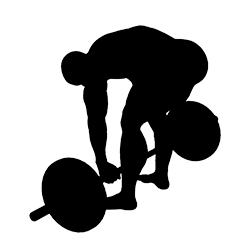
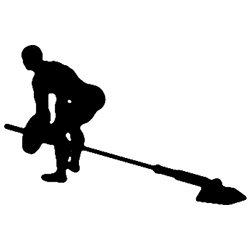
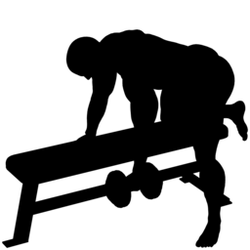
The bent-over row is a staple heavy pull for the whole upper back and a natural partner to pressing work. Because nothing supports your chest, you also have to hold the hinge, which makes it more demanding than chest-supported rows. The barbell lets you load it heaviest; dumbbells let each arm travel further back and help even out a weaker side; the Smith machine fixes the bar's path, so it's the easiest to learn. Whichever you pick, keep your torso angle steady.
How to do it (Barbell)
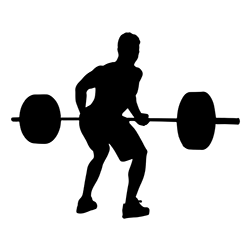
Stand with your feet shoulder-width apart and grip the bar overhand slightly wider than your shoulders.
Hinge forward from the hips with slightly bent knees until your torso is close to parallel with the floor, back flat.
Pull the bar to your upper stomach, driving your elbows back and squeezing your shoulder blades together.
Lower it slowly until your arms are straight. Keep your torso angle fixed; if it rises with every rep, the weight is too heavy.
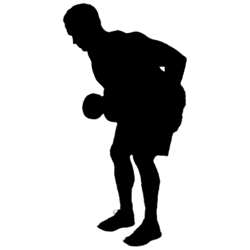
Stand with your feet hip-width apart, a dumbbell in each hand with your palms facing each other.
Hinge forward from the hips with slightly bent knees until your torso is close to parallel with the floor, back flat.
Row both dumbbells up toward your lower ribs, keeping your elbows close to your body.
Lower them slowly to a full stretch. Dumbbells let each arm travel further back than a barbell does.
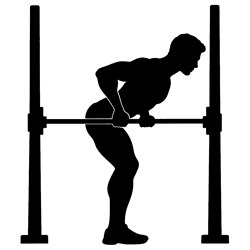
Set the Smith machine bar to about knee height, stand with your feet hip-width apart and the bar over your midfoot, then hinge forward until your torso is about 45 degrees, back flat.
Unhook the bar with an overhand grip just wider than shoulder-width.
Row the bar to your lower stomach, driving your elbows back and squeezing your shoulder blades.
Lower under control until your arms are straight. The fixed path keeps the bar from drifting, so focus on holding the hinge still.
Common mistakes
Standing up as you pull
If your torso rises with every rep, the row turns into a heave with your hips. Keep your torso angle fixed and lighten the load until you can.
Letting your back round
A heavy bar tends to pull your back into a curve as the set goes on. Brace before you hinge, keep your back flat and reduce the weight if it starts to round.
Pulling toward your chest
Rowing the weight too high flares your elbows and takes work off your lats. Pull to your stomach, driving your elbows back rather than up.
Not lowering to straight arms
Stopping halfway down keeps the weight moving but skips the stretch. Lower until your arms are straight on every rep.
Sets, reps and progression
How many sets you do and how close to failure you take them depend on your goal and your week, not on the exercise. These guides cover it:
Alternatives that train the same thing
Same movement, a different angle or piece of equipment.