Pendlay Row
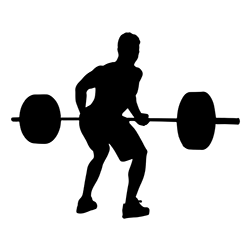
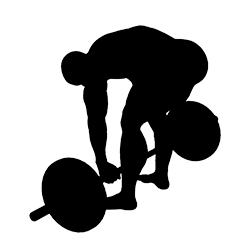
A strict barbell row from the floor: with your torso parallel to the ground, you pull the bar explosively to your lower chest and return it to the floor after every rep.
- Primary muscles
- Upper back, Lats
- Secondary
- Rear delts, Biceps, Forearm flexors
- Difficulty
- Intermediate
- Logged as
- Weight × reps
Loads from YouTube only when you press play. The video is by an independent creator.
Why do it
Starting each rep from a dead stop removes any bounce, so every rep is built from scratch, which trains pulling power and keeps your form honest. The flat torso works your upper back and lats hard, but holding it takes good hip mobility and a strong brace. It suits lifters who want an explosive, strength-focused row. If you can't get your torso flat with a flat back, a regular bent-over row at a slightly higher angle is the better fit.
How to do it
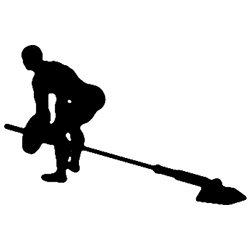
Stand with your feet shoulder-width apart and the loaded barbell over your midfoot, close to your shins.
Hinge at the hips and bend your knees until your torso is parallel to the floor, and grip the bar overhand slightly wider than shoulder-width.
Row the bar explosively to your lower chest, keeping your torso parallel throughout.
Lower it all the way back to the floor and reset. Each rep starts from a dead stop, which is what separates this from a regular bent-over row.
Common mistakes
Raising your torso to finish
If your torso lifts with each pull, it stops being a Pendlay row. Keep it parallel to the floor, and drop the weight if you can't.
Bouncing the bar off the floor
Touch-and-go reps lose the point of the exercise. Let the bar settle, reset your back, then pull.
Rounding to reach the bar
Pulling from the floor tempts you to round your back. Set a flat back before each rep, bending your knees as much as you need to.
Yanking a slack bar
Jerking the bar off the floor from loose arms wastes force and pulls you out of position. Get tight first, then pull hard.
Sets, reps and progression
How many sets you do and how close to failure you take them depend on your goal and your week, not on the exercise. These guides cover it:
Alternatives that train the same thing
Same movement, a different angle or piece of equipment.