One-Arm Row
A single-arm row: bracing on a bench or your thigh, or sitting at a cable, you pull the weight toward your hip, working your lats and upper back one side at a time.
Equipment
- Primary muscles
- Lats, Upper back
- Secondary
- Biceps, Rear delts
- Difficulty
- Beginner
- Logged as
- Weight × reps
- Primary muscles
- Lats, Upper back
- Secondary
- Biceps, Forearm flexors
- Difficulty
- Beginner
- Logged as
- Weight × reps
- Primary muscles
- Lats, Upper back
- Secondary
- Biceps, Rear delts
- Difficulty
- Beginner
- Logged as
- Weight × reps
Loads from YouTube only when you press play. The video is by an independent creator.
Why do it
Working one side at a time lets you brace with your free hand, row heavy without your lower back limiting you, and spot differences between sides. The dumbbell version on a bench is the classic and the easiest to load. The cable version keeps tension steady and lets your shoulder blade travel further forward and back, so it suits a full stretch. The kettlebell works like the dumbbell and suits home training, though the jumps between bell sizes are bigger.
How to do it (Dumbbell)
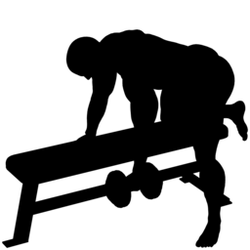
Put one knee and the hand of the same side on a bench, with the other foot on the floor and your back flat and roughly parallel to the ground.
Hold the dumbbell in your free hand with your arm hanging straight down under your shoulder, palm facing in.
Row the dumbbell up toward your hip, keeping your elbow close to your body.
Lower it slowly to a full stretch. Keep your shoulders level instead of twisting your torso to get the weight higher.
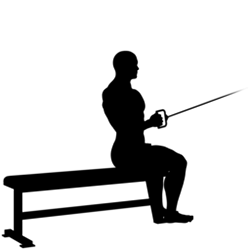
Attach a single handle to the seated row station, sit down and put your feet on the footrests with your knees slightly bent.
Take the handle in one hand with your palm facing in, arm extended and torso upright.
Pull the handle to your side, driving your elbow back until your hand reaches your torso, and let your shoulder blade travel toward your spine.
Extend your arm slowly and let the shoulder blade come forward again. Working one side at a time lets your shoulder blade move further than a two-handed row allows.
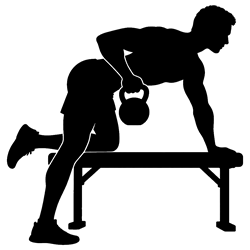
Place one hand and the same-side knee on a bench, or stagger your stance and brace a hand on your thigh, with a kettlebell in the free hand.
Keep your back flat and let the kettlebell hang straight down from your shoulder.
Row it up toward your hip, driving your elbow back and keeping it close to your body.
Lower slowly until your arm is straight and your shoulder blade stretches forward. Finish all reps on one side before switching.
Common mistakes
Twisting to get the weight higher
Rotating your torso open lifts the weight with your hips and spine. Keep your shoulders level and stop once your elbow passes your body.
Rowing toward your armpit
Pulling the weight straight up to your chest flares the elbow and shortens the lat's work. Row toward your hip with your elbow close.
Cutting the stretch short
Let your arm hang straight and your shoulder blade drift forward at the bottom. That stretch is one of the main benefits of rowing one arm at a time.
Letting your back round
Keep your back flat and roughly parallel to the floor on the bench. A rounded back lets the shoulder sag and the row turns into a shrug.
Sets, reps and progression
How many sets you do and how close to failure you take them depend on your goal and your week, not on the exercise. These guides cover it:
Alternatives that train the same thing
Same movement, a different angle or piece of equipment.