One-Arm Pull Up
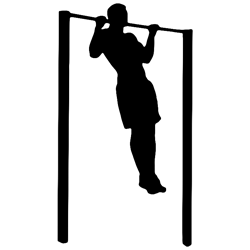
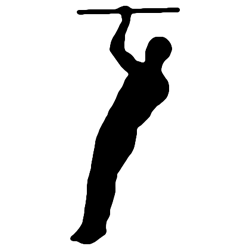
An advanced bodyweight skill: hanging from the bar by one overhand hand, you pull yourself up until your chin is over the bar, mostly with one lat.
- Primary muscles
- Lats
- Secondary
- Upper back, Biceps, Forearm flexors, Obliques
- Logged as
- Reps
Loads from YouTube only when you press play. The video is by an independent creator.
Why do it
The overhand grip gives your biceps less leverage than the palm-up version, which makes this the harder of the two one-arm pulls. It suits people who can do comfortable sets of strict pull-ups and want a long-term skill goal. Archer and uneven pull-ups bridge the gap, and holding your working wrist with your free hand takes off a little weight until you can do it clean. Expect slow progress, and train it fresh with low reps.
How to do it
Build up to this with archer and uneven pull-ups, plus dead hangs for grip. You want a comfortable set of 10-12 strict pull-ups first.
Grip the bar with one hand, thumb wrapped, and hang with your body under the bar and your core tight.
Pull by driving that elbow down toward your hip, keeping your body from swinging or twisting.
Get your chin over the bar, then lower under control to a full hang. Use your free hand on your working wrist to take off a little weight until you can do it clean.
Common mistakes
Rotating toward the free side
Your body tends to twist as you pull. Brace your core, keep your legs together and drive your elbow down toward your hip.
Leaning on the assisting hand
Holding your wrist helps, but it's easy to let that hand do most of the pulling. Use only as much help as you need, and reduce it over time.
Gripping without your thumb
A thumbless grip is hard to hold with one hand. Wrap your thumb around the bar and squeeze hard before you start the pull.
Jumping straight to attempts
Without archer and uneven pull-ups behind you, attempts rarely get past the bottom. Build those first and come back to it.
Sets, reps and progression
How many sets you do and how close to failure you take them depend on your goal and your week, not on the exercise. These guides cover it:
Alternatives that train the same thing
Same movement, a different angle or piece of equipment.