Sit Up
Lying on your back with your knees bent, you curl your torso all the way up toward your knees and lower it slowly, training your abs through a full range.
Equipment
- Primary muscles
- Abs
- Secondary
- Lower abs
- Difficulty
- Beginner
- Logged as
- Reps
- Primary muscles
- Abs
- Secondary
- Lower abs
- Difficulty
- Beginner
- Logged as
- Weight × reps
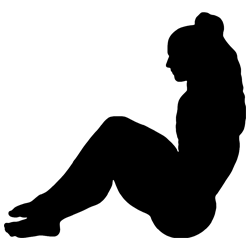
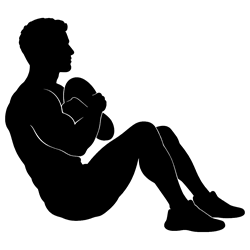
Loads from YouTube only when you press play. The video is by an independent creator.
Why do it
The sit-up goes further than a crunch: you curl all the way up to sitting, so your abs work through a longer range and your hip flexors help on the upper half. Beginners can do it anywhere, and anchoring your feet makes the first reps easier. Once bodyweight sets of high reps feel easy, hold a weight plate against your chest rather than chasing ever-higher rep counts; keeping it tight to your body keeps the load the same every rep.
How to do it (Bodyweight)
Lie on your back with your knees bent and feet flat, anchored under something stable if you have it.
Cross your arms over your chest or rest your fingers lightly behind your head.
Curl up until your chest comes close to your knees, leading with your chest rather than your neck.
Lower slowly under control. If you have to yank on your head to get up, do crunches until you're stronger.
Lie on your back with your knees bent and feet flat, holding a weight plate against your chest with both arms crossed over it.
Curl your torso up until you are sitting upright, keeping the plate against your chest.
Pause briefly at the top.
Lower slowly back down without letting the plate drift away from your body. Anchor your feet if you need to.
Common mistakes
Pulling on your head with your hands
Yanking your neck forward strains it and lets your arms do the lifting. Cross your arms or keep your fingertips light, and lead with your chest.
Dropping back to the floor
Falling back down skips half the work. Lower one part of your spine at a time, slowly enough that you could stop halfway.
Swinging up with momentum
Throwing your arms forward or rocking up turns the rep into a heave. Start each rep from a still position and curl up smoothly.
Letting the plate drift away from your chest
Holding the plate out in front changes the load from rep to rep and tires your shoulders first. Keep it pressed against your chest the whole time.
Sets, reps and progression
How many sets you do and how close to failure you take them depend on your goal and your week, not on the exercise. These guides cover it:
Alternatives that train the same thing
Same movement, a different angle or piece of equipment.