Behind the Neck Press
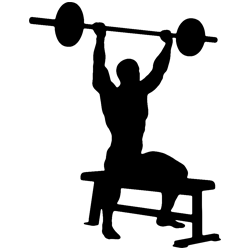
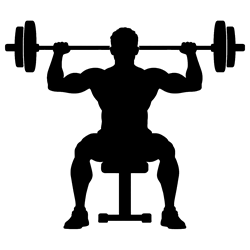
An overhead press that starts with the bar on your upper traps behind your head: you press it straight up and lower it back to about ear level, training the front and side delts.
Equipment
- Primary muscles
- Front delts, Side delts
- Secondary
- Triceps, Traps
- Difficulty
- Advanced
- Logged as
- Weight × reps
- Primary muscles
- Front delts, Side delts
- Secondary
- Triceps, Traps
- Difficulty
- Intermediate
- Logged as
- Weight × reps
Loads from YouTube only when you press play. The video is by an independent creator.
Why do it
Pressing from behind your head tends to bring the side delts in more than a front press and keeps the bar path vertical, but it asks a lot of your shoulder mobility. It's for lifters who can get the bar past their ears without their head jutting forward; if you can't, press in front instead. The Smith machine takes balance out and lets you stop the bar at any height, so it's easier to learn and to limit the range. The barbell version needs more control and is the harder of the two.
How to do it (Barbell)
Sit or stand with a barbell resting on your upper traps, hands a bit wider than shoulder-width.
Press the bar straight up until your arms are locked out overhead.
Lower it slowly back behind your head to about ear level.
Keep your torso upright and your core braced. This needs good shoulder mobility; if the bar cannot pass your ears without your head jutting forward, press in front instead.
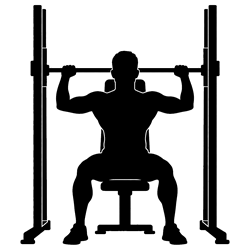
Sit on a bench under the Smith machine with the bar resting on your upper traps, hands a bit wider than shoulder-width.
Unhook the bar and press it straight up until your arms are locked out.
Lower slowly behind your head to about ear level.
Keep your torso upright and your core braced. The fixed path removes the balance problem, but it still needs good shoulder mobility; stop higher if the bar cannot pass your ears comfortably.
Common mistakes
Head poking forward under the bar
If your head pushes forward to let the bar pass, the range is too deep for your shoulders. Stop higher or press in front of your head instead.
Leaning back as you press
Arching to get under the bar shifts the press toward your chest and lower back. Keep your torso upright and your core braced.
Loading it like a front press
Most people press noticeably less from behind the neck. Start lighter than your usual overhead press and add weight slowly.
Dropping the bar onto your traps
Letting the bar fall the last part of the way loses control in the most awkward spot. Lower it slowly and stop at about ear level.
Sets, reps and progression
How many sets you do and how close to failure you take them depend on your goal and your week, not on the exercise. These guides cover it:
Alternatives that train the same thing
Same movement, a different angle or piece of equipment.