Box Squat
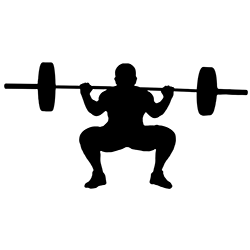
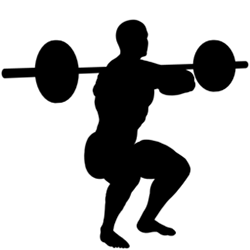
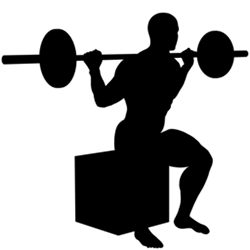
A barbell back squat to a box: you sit back under control until you're seated on the box at about parallel, pause briefly, then drive back up.
- Primary muscles
- Quads, Glutes
- Secondary
- Lower back, Adductors
- Difficulty
- Intermediate
- Logged as
- Weight × reps
Loads from YouTube only when you press play. The video is by an independent creator.
Why do it
Sitting on the box takes away the bounce at the bottom and gives you the same depth every rep, so it's popular with powerlifters building strength out of the bottom and with lifters learning to sit back into their hips. The pause makes it harder than a normal squat at the same weight, and a wider stance with a more vertical shin brings your glutes in more. Set the box so your thighs are at or just below parallel.
How to do it
Set a box behind you at a height that puts your thighs at or just below parallel when you sit, with the bar racked at chest height.
Take the bar on your upper back, unrack it and step back until the box is right behind you, feet slightly wider than shoulder width.
Push your hips back first, then bend your knees, and sit down onto the box under control.
Pause on the box without relaxing, then drive your hips forward and stand up. Sitting rather than touching and bouncing is what makes this different from a normal squat.
Common mistakes
Plopping onto the box
Dropping onto the box jolts your back and loses all your tightness. Control the descent all the way down until you're sitting on it.
Relaxing on the box
Letting your hips and back go loose turns the pause into a rest and makes the drive up messy. Stay braced while you sit, with your weight still on your feet.
Rocking back to get up
Rocking backward and then forward to build momentum skips the hard part. Drive up by pushing your hips forward from a still position.
Box at the wrong height
A box well above parallel turns it into a partial squat, and one too low makes you lose position. Set it so your thighs are at or just below parallel when you sit.
Sets, reps and progression
How many sets you do and how close to failure you take them depend on your goal and your week, not on the exercise. These guides cover it:
Alternatives that train the same thing
Same movement, a different angle or piece of equipment.