Donkey Kick
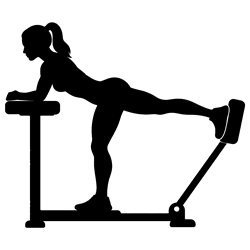
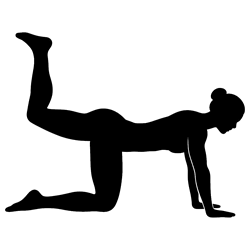
On all fours with one knee bent at a right angle, you press that foot up toward the ceiling until your thigh lines up with your torso, training the glute.
- Primary muscles
- Glutes
- Secondary
- Hamstrings
- Difficulty
- Beginner
- Logged as
- Reps
Loads from YouTube only when you press play. The video is by an independent creator.
Why do it
Donkey kicks isolate the glute of one leg with no equipment, which makes them a common warm-up and home workout move. Keeping the knee bent leaves your hamstrings less to do, so the glute handles most of the hip extension. The range is short and the load is only your leg, so they're for activation and higher reps rather than building strength; for heavier work, a cable kickback or hip thrust is the next step. Ankle weights or a band around the foot add resistance if you want to stay with this setup.
How to do it
Start on all fours with your hands under your shoulders and your knees under your hips.
Keeping the knee bent at 90 degrees, lift one leg and push your foot toward the ceiling.
Stop when your thigh is in line with your torso and squeeze the glute.
Lower slowly without touching the floor, then switch legs after the set. Keep your core tight so your lower back does not arch.
Common mistakes
Arching your lower back
Kicking higher than your hip can extend makes your back arch to finish the rep. Stop when your thigh lines up with your torso and keep your core tight.
Swinging the leg
Momentum gets your foot up but skips the squeeze. Lift slowly, pause at the top and lower without touching the floor.
Straightening the knee as you kick
Opening the knee angle brings your hamstrings in and turns it into a leg kick. Hold the right angle at the knee from start to finish.
Shifting your weight to one side
Leaning onto the support knee tilts your hips and moves the work away from the glute. Keep your hips square to the floor throughout.
Sets, reps and progression
How many sets you do and how close to failure you take them depend on your goal and your week, not on the exercise. These guides cover it:
Alternatives that train the same thing
Same movement, a different angle or piece of equipment.