Fire Hydrant
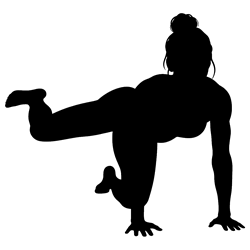
On all fours with the knee bent, you lift one leg out to the side until the thigh is about level with the floor, training the side of your glutes and the abductors.
- Primary muscles
- Glutes, Abductors
- Difficulty
- Beginner
- Logged as
- Reps
Loads from YouTube only when you press play. The video is by an independent creator.
Why do it
Fire hydrants train the outer hip from a kneeling position, where your hands and one knee give you a stable base. They're a common warm-up for squats and lunges and fit easily into home workouts. Compared with a donkey kick, the leg moves out to the side instead of back, so the work shifts from extending the hip to moving it outward. A loop band above the knees adds resistance once bodyweight reps get easy.
How to do it
Start on all fours with your hands under your shoulders and your knees under your hips.
Keeping the knee bent at 90 degrees, lift one leg out to the side until the thigh is about parallel to the floor.
Pause at the top without leaning your torso to the other side.
Lower slowly without touching the floor, then switch legs after the set. Keep your arms straight and your core braced throughout.
Common mistakes
Leaning your body away
Shifting your weight to the opposite side makes the leg look higher without more hip work. Keep your weight centered and your torso square to the floor.
Rotating your hips open
Turning your pelvis to follow the leg lets your back help lift it. Keep both hips facing the floor and accept a smaller range.
Letting the leg drop between reps
Resting the knee on the floor gives the muscle a break each rep. Lower slowly and keep the knee just off the floor until the set is done.
Sets, reps and progression
How many sets you do and how close to failure you take them depend on your goal and your week, not on the exercise. These guides cover it:
Alternatives that train the same thing
Same movement, a different angle or piece of equipment.