Half Kneeling One-Arm Pulldown
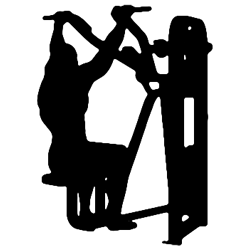
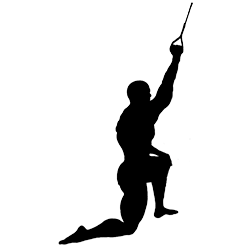
A single-arm cable pulldown done in a half-kneeling stance: reaching up to a high pulley, you pull the handle down past your ribs, working one lat at a time.
- Primary muscles
- Lats
- Secondary
- Upper back, Obliques, Biceps
- Difficulty
- Beginner
- Logged as
- Weight × reps
Loads from YouTube only when you press play. The video is by an independent creator.
Why do it
Working one arm at a time lets you reach a deep stretch overhead and even out differences between sides, and the half-kneeling stance makes it hard to lean back or use your body to move the weight. Your obliques work to keep your torso square. It's a good choice when two-handed pulldowns feel like your arms are doing the work, or as a second lat exercise after heavier pulls. All you need is a cable stack and a single handle.
How to do it
Attach a handle to the high pulley and kneel in front of it with the knee on your working side down and the other foot forward.
Reach up and take the handle with your working arm fully extended, letting your lat stretch.
Pull the handle down, driving your elbow close past your ribs.
Extend your arm slowly back overhead. Finish all reps before switching sides. The half-kneeling stance stops you from leaning back to move the weight.
Common mistakes
Twisting toward the cable
Rotating your torso to pull the handle lower shifts the work away from your lat. Keep your chest facing forward and let your elbow do the moving.
Cutting the stretch short
Let your arm extend fully overhead so your lat stretches at the top. Stopping halfway up skips what single-arm pulling is good for.
Pulling your elbow out wide
Drive your elbow close past your ribs. Letting it travel out to the side turns it into more of a shoulder movement.
Sitting back on your heel
Dropping your hips onto your back heel makes the stance loose. Keep your hips up and your torso tall so you stay stable without leaning.
Sets, reps and progression
How many sets you do and how close to failure you take them depend on your goal and your week, not on the exercise. These guides cover it:
Alternatives that train the same thing
Same movement, a different angle or piece of equipment.