Weighted Pull Up
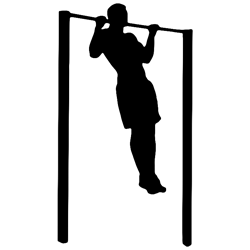
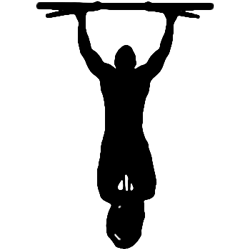
The standard pull-up with extra weight on a dip belt or vest: from a dead hang with a slightly wide overhand grip, you pull your chin over the bar, mainly working your lats.
- Primary muscles
- Lats
- Secondary
- Upper back, Rear delts, Biceps, Forearm flexors
- Difficulty
- Intermediate
- Logged as
- Added weight × reps
Loads from YouTube only when you press play. The video is by an independent creator.
Why do it
Weighted pull-ups are the next step once bodyweight sets get long, letting you train in a lower, heavier rep range without changing the movement. The overhand grip just outside shoulder width spreads the work across the lats, upper back and rear delts, with the biceps helping less than on a chin-up. Small, regular jumps in load usually work better than big ones, and dropping back to bodyweight for a set or two is fine once your form slips.
How to do it
Load a dip belt or put on a weighted vest and check the weight sits securely.
Grip the bar overhand slightly wider than shoulder-width and hang with your arms straight.
Pull your shoulder blades down, then pull yourself up until your chin clears the bar, driving your elbows down and back.
Lower under control to a full hang. Add weight in small steps, and drop back to bodyweight once your reps get sloppy.
Common mistakes
Skipping the shoulder blade set
Pulling straight from a loose hang puts the first part of the rep on your arms. Draw your shoulder blades down first, then pull.
Kicking your legs to get over
With a heavy belt, a leg kick often sneaks into the last reps. Keep your legs still and end the set when you can't get your chin over cleanly.
Chasing load with half reps
Adding weight while your reps stop above a full hang just shortens the movement. Lower to straight arms every rep and add load only when that holds.
Jumping up in big steps
Pull-ups are sensitive to small load changes, so a big jump can cut your reps sharply. Add the smallest plate you have and build reps before going up again.
Sets, reps and progression
How many sets you do and how close to failure you take them depend on your goal and your week, not on the exercise. These guides cover it:
Alternatives that train the same thing
Same movement, a different angle or piece of equipment.