Weighted Chin Up
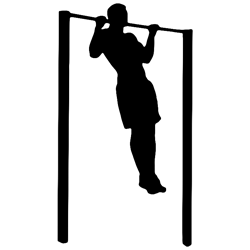
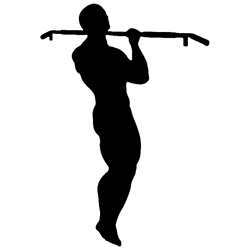
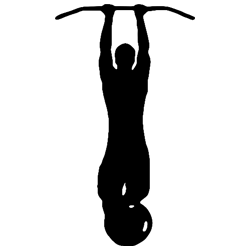
A chin-up with extra weight on a dip belt or vest: hanging underhand at shoulder width, you pull your chin over the bar, training your lats and biceps hard.
- Primary muscles
- Lats, Biceps
- Secondary
- Upper back, Forearm flexors
- Difficulty
- Intermediate
- Logged as
- Added weight × reps
Loads from YouTube only when you press play. The video is by an independent creator.
Why do it
Once you can do clean sets of bodyweight chin-ups for more than a handful of reps, adding weight is a simple way to keep building strength. The underhand grip gives the biceps a big share of the work, so chin-ups usually allow more load than pull-ups and double as a heavy arm exercise. A belt lets the weight hang between your legs and is quick to change, while a vest keeps the load close to your body and suits higher reps.
How to do it
Load a dip belt or put on a weighted vest and check the weight sits securely.
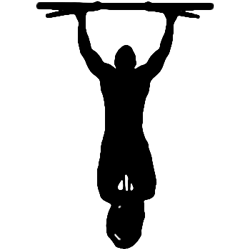
Grip the bar underhand at about shoulder width and hang with your arms straight.
Pull yourself up until your chin clears the bar, driving your elbows down and back.
Lower under control to a full hang. Add weight in small steps; a few kilos changes a set of chin-ups more than you'd expect.
Common mistakes
Adding weight before reps are clean
If your bodyweight chin-ups still involve kicking or half reps, extra load makes that worse. Own full reps first, then add weight in small steps.
Letting the weight swing
A plate swinging on the belt pulls you into a kip. Start each rep from a still hang and squeeze your legs and glutes to keep the weight quiet.
Cutting reps short at the bottom
With extra load, half reps are tempting. Lower until your arms are straight before you pull again, or the added weight just buys you a shorter range.
Craning your chin over the bar
Pushing your head forward to clear the bar fakes the last bit of range. Pull your chest toward the bar instead and let your chin follow.
Sets, reps and progression
How many sets you do and how close to failure you take them depend on your goal and your week, not on the exercise. These guides cover it:
Alternatives that train the same thing
Same movement, a different angle or piece of equipment.