High Pull Up
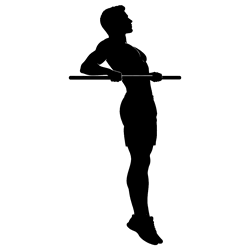
An explosive pull-up where you drive the bar down to your lower chest or upper stomach instead of stopping at your chin, training your lats and upper back.
- Primary muscles
- Lats, Upper back
- Secondary
- Biceps, Rear delts, Traps, Forearm flexors
- Difficulty
- Advanced
- Logged as
- Reps
Loads from YouTube only when you press play. The video is by an independent creator.
Why do it
The high pull-up builds the pulling height and speed you need for a muscle up, and it's a hard upper back exercise in its own right. It suits people who can already do strict pull-ups with ease and want a harder progression without adding weight. Compared to a standard pull-up, you pull harder and further, finishing with a slight lean back, which brings your upper back, traps and rear delts in more. Count reps as your measure of progress.
How to do it
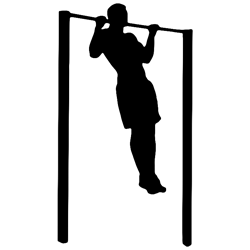
Hang from a bar with an overhand grip slightly wider than your shoulders, arms straight and shoulders pulled down.
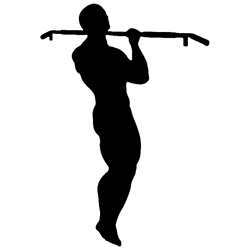
Pull explosively, driving your elbows down and back so the bar comes to your lower chest or upper stomach instead of stopping at your chin.
Lean back slightly at the top and keep your legs together without kicking or swinging.
Lower yourself under control until your arms are straight. More reps count as progress; this is a step toward the muscle up.
Common mistakes
Kicking to get higher
Swinging or kicking your legs adds height your back didn't earn. Keep your legs together and still, and let the pull do the work.
Pulling slowly
A slow grind usually stalls at chin height. Start each rep with an explosive pull from a dead hang so the bar keeps traveling toward your chest.
Driving your elbows straight down
Pulling only downward stops the bar at your chin. Drive your elbows down and back, with a slight lean back at the top, so the bar reaches your lower chest.
Dropping from the top
After an explosive pull, it's tempting to fall back to a hang. Lower yourself under control until your arms are straight.
Sets, reps and progression
How many sets you do and how close to failure you take them depend on your goal and your week, not on the exercise. These guides cover it:
Alternatives that train the same thing
Same movement, a different angle or piece of equipment.