Incline Bench Press
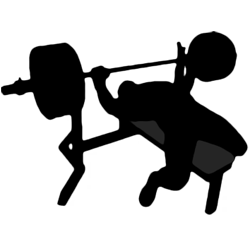
On a bench set to a low incline, you lower the weight to your upper chest and press it back up, shifting the emphasis to the upper part of your chest.
Equipment
- Primary muscles
- Upper chest
- Secondary
- Middle chest, Lower chest, Front delts, Triceps
- Difficulty
- Beginner
- Logged as
- Weight × reps
- Primary muscles
- Upper chest
- Secondary
- Middle chest, Lower chest, Front delts, Triceps
- Difficulty
- Beginner
- Logged as
- Weight × reps
- Primary muscles
- Upper chest
- Secondary
- Middle chest, Lower chest, Front delts, Triceps
- Difficulty
- Beginner
- Logged as
- Weight × reps
Loads from YouTube only when you press play. The video is by an independent creator.
Why do it
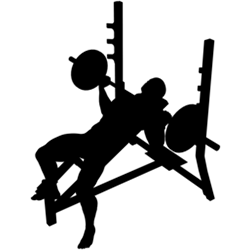
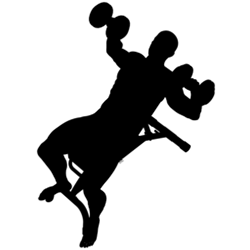
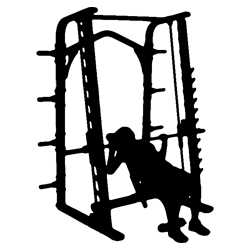
The incline bench press is the main compound lift for your upper chest, and it brings your front delts in more than a flat press. Keep the bench low: a modest incline is enough, and the steeper you go, the more it turns into a shoulder press. The barbell loads heaviest. Dumbbells allow a deeper stretch and a separate path for each arm, and the Smith machine is easy to use alone, as long as you position the bench before you load the bar.
How to do it (Barbell)
Set the bench to about 30 degrees, lie back with your feet planted and your shoulder blades pulled back.
Grip the bar slightly wider than shoulder-width and unrack it over your upper chest with straight arms.
Lower it to your upper chest with your elbows at roughly 45 degrees to your body.
Press back up. Going much steeper than 45 degrees turns this into a shoulder press, so keep the bench low.
Set the bench to about 30 degrees, sit with the dumbbells on your thighs and kick them back as you lie down.
Hold the dumbbells at upper-chest height, palms facing your feet, elbows bent.
Press them up and slightly together until your arms are nearly straight.
Lower them under control to the sides of your upper chest until you feel a stretch. Don't let them drift down toward your stomach; that turns it into a flat press.
Set an adjustable bench to 30-45 degrees and centre it under the bar so the bar sits over your upper chest.
Lie back with your feet planted, grip the bar slightly wider than shoulder-width and unrack it by rotating.
Lower it to just above your upper chest.
Press back up until your arms are extended. Set the bench position before you load the bar; the bar path is fixed and you can't adjust it mid-set.
Common mistakes
Bench set too steep
The higher the backrest, the more your shoulders take over. Keep the incline low so your upper chest does the pressing.
Lowering toward your stomach
Letting the bar or dumbbells drift down your torso turns it back into a flat press. Lower to your upper chest every rep.
Elbows flaring straight out
Pointing your elbows out to the sides puts more stress on the front of your shoulders. Keep them partway tucked toward your body.
Sliding down the bench
On an incline it's easy to slip down as you press, which changes where the weight lands. Plant your feet and set your upper back before unracking.
Sets, reps and progression
How many sets you do and how close to failure you take them depend on your goal and your week, not on the exercise. These guides cover it:
Alternatives that train the same thing
Same movement, a different angle or piece of equipment.