Incline Hammer Curl
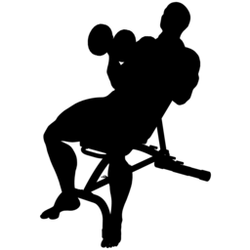
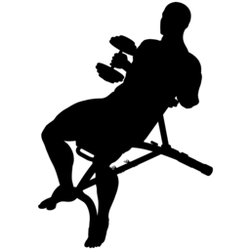
A hammer curl done sitting back on an incline bench: your arms hang behind you with palms facing in, so you curl from a stretch while also working the brachialis and forearms.
- Primary muscles
- Biceps
- Secondary
- Forearm flexors
- Difficulty
- Beginner
- Logged as
- Weight × reps
Loads from YouTube only when you press play. The video is by an independent creator.
Why do it
It combines two things: the incline puts your biceps in a stretched starting position, and the neutral grip brings in the brachialis and forearm muscles. That makes it a useful single choice when you want both in a short arm session. Compared with the regular incline curl, you'll usually handle a bit more weight and feel it more in the forearms; compared with a standing hammer curl, you can't swing and the bottom of the rep is harder.
How to do it
Set a bench to 45-60 degrees, sit back against it and let your arms hang straight down with your palms facing each other.
Curl the dumbbells toward your shoulders without moving your upper arms, keeping your palms facing in the whole way.
Lower them all the way until your arms are straight.
The incline stretches the biceps at the bottom and the neutral grip loads the brachialis, so this hits both the biceps and the muscle underneath it.
Common mistakes
Letting the palms turn up
Rotating your wrists mid-rep turns it into a regular incline curl. Keep your thumbs pointing up from bottom to top.
Sliding the elbows forward
As you tire, your elbows drift forward and the stretch goes. Keep your upper arms hanging straight down from your shoulders.
Sitting up off the bench
Peeling your head and shoulders off the pad changes the angle back to a normal hammer curl. Keep your back against the bench throughout.
Sets, reps and progression
How many sets you do and how close to failure you take them depend on your goal and your week, not on the exercise. These guides cover it:
Alternatives that train the same thing
Same movement, a different angle or piece of equipment.