Incline Row
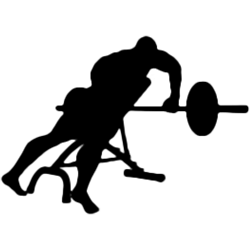
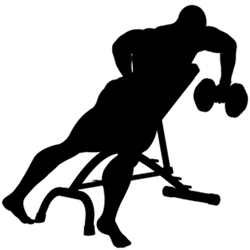
A chest-supported row: lying face down on an incline bench, you row a barbell or a pair of dumbbells up toward you, working your upper back and lats.
Equipment
- Primary muscles
- Upper back, Lats
- Secondary
- Biceps, Rear delts, Forearm flexors
- Difficulty
- Beginner
- Logged as
- Weight × reps
- Primary muscles
- Upper back, Lats
- Secondary
- Biceps, Rear delts
- Difficulty
- Beginner
- Logged as
- Weight × reps
Loads from YouTube only when you press play. The video is by an independent creator.
Why do it
With your chest on the pad, your lower back stays out of it and every rep looks the same, which makes it easy to push close to failure. That's the main difference from the bent-over row, where you also have to hold the hinge. The barbell version lets you load heavier and pull to your lower chest. The incline dumbbell row lets your palms face each other and your elbows travel back toward your hips, giving each arm a freer path. Choose dumbbells if one side lags behind.
How to do it (Barbell)
Set an incline bench to 30-45 degrees with a barbell on the floor at the head end.
Lie face down with your chest on the pad and grip the bar overhand slightly wider than shoulder-width, arms extended.
Row the bar to your lower chest, driving your elbows back and squeezing your shoulder blades together.
Lower it slowly to a full stretch. The chest support means every rep is the same; no gradual creeping upright as you fatigue.
Set an incline bench to 30-45 degrees and lie face down with your chest on the pad.
Hold a dumbbell in each hand with your palms facing each other, arms hanging straight down.
Row the dumbbells up toward your hips, keeping your elbows close to your body and squeezing your shoulder blades together.
Lower them slowly to a full stretch. The chest support removes any chance of cheating with your lower back.
Common mistakes
Lifting your chest off the pad
Raising your torso to finish a rep brings back the cheating the bench is there to stop. Keep your chest down and use a weight you can row fully.
Setting the bench too steep
A very upright bench turns the pull into more of a shrug. Keep it at a moderate incline so your torso leans well forward.
Shrugging instead of rowing
Lifting your shoulders toward your ears moves the work to your traps. Drive your elbows back and squeeze your shoulder blades together.
Skipping the stretch
Lower all the way until your arms hang straight. The chest support makes a full stretch easy to reach, so use it on every rep.
Sets, reps and progression
How many sets you do and how close to failure you take them depend on your goal and your week, not on the exercise. These guides cover it:
Alternatives that train the same thing
Same movement, a different angle or piece of equipment.