Low Row
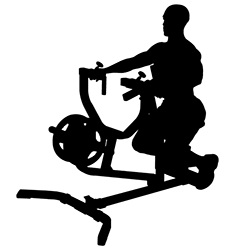
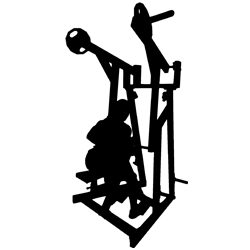
A seated machine row with your feet on the footrests: leaning slightly forward from the hips, you pull the handles to your lower stomach and squeeze your shoulder blades together.
- Primary muscles
- Lats, Upper back
- Secondary
- Biceps, Forearm flexors
- Difficulty
- Beginner
- Logged as
- Weight × reps
Why do it
The low row is a beginner-friendly horizontal pull for your lats and upper back. Because the handles come in low toward your stomach, your elbows stay close and travel back past your torso, which brings your lats in more than a higher row. Letting your shoulder blades travel forward at the end of each rep gives a deep stretch, so it works well as a main back exercise or after heavy barbell rows. The machine sets the path, so you can focus on the squeeze.
How to do it
Sit at the machine with your feet on the footrests and your knees slightly bent.
Grip the handles with your arms extended, leaning forward slightly from the hips without rounding your back.
Pull the handles to your lower stomach, driving your elbows back and squeezing your shoulder blades together.
Extend your arms slowly and let your shoulder blades travel forward at the end of each rep for a full stretch.
Common mistakes
Rocking your torso
Swinging back and forth moves the weight with your lower back. A slight forward lean is fine; keep it fixed and pull with your back and arms.
Rounding to chase the stretch
Let your shoulder blades travel forward at the end, but keep your back flat. Rounding your whole spine forward isn't part of the rep.
Pulling to your chest
Bringing the handles up to your chest flares your elbows and shifts the target. Pull to your lower stomach with your elbows close to your body.
Skipping the squeeze
Rushing straight into the next rep skips the contraction. Pause briefly with your shoulder blades together before you let the handles go forward.
Sets, reps and progression
How many sets you do and how close to failure you take them depend on your goal and your week, not on the exercise. These guides cover it:
Alternatives that train the same thing
Same movement, a different angle or piece of equipment.