Meadows Row
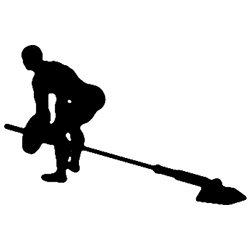
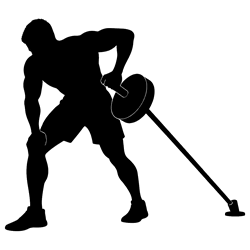
A one-arm landmine row: standing side-on to the loaded end of a barbell, you grip the end of the sleeve overhand and row it up toward your hip, working your lats and upper back.
- Primary muscles
- Lats, Upper back
- Secondary
- Rear delts, Biceps, Forearm flexors
- Difficulty
- Intermediate
- Logged as
- Weight × reps
Loads from YouTube only when you press play. The video is by an independent creator.
Why do it
Gripping the thick end of the sleeve and rowing with your elbow flaring out gives you a long range, with a deep stretch at the bottom and a strong squeeze at the top. Working one side at a time lets you load each side heavily while your free forearm braces on your thigh. It suits intermediate lifters who want a heavy one-arm row and have a landmine or a corner to wedge the bar in. Compared to a dumbbell row, the bar moves in an arc and loads up with plates.
How to do it
Wedge one end of a barbell into a corner or landmine and stand side-on to the loaded end, feet staggered.
Hinge forward with a flat back and grab the end of the sleeve with an overhand grip, resting your other forearm on your front thigh.
Row the bar up toward your hip with your elbow flaring out, until your upper arm passes your torso.
Lower slowly to a full stretch, then switch sides. Use straps if your grip gives out before your back does.
Common mistakes
Twisting your torso to finish
Rotating your chest toward the ceiling on heavy reps turns the row into a twist. Keep your shoulders square and lighten the load if you need to.
Letting your grip limit the set
The thick sleeve is hard to hold. Use straps if your grip gives out before your back does, so your back gets the full set.
Standing too upright
Hinge forward with a flat back so your torso is well over the bar. Standing tall shortens the pull and turns it into a shrug.
Rushing the bottom
Lower slowly until your arm is straight and your shoulder blade stretches forward. That long stretch is a big part of why this row works.
Sets, reps and progression
How many sets you do and how close to failure you take them depend on your goal and your week, not on the exercise. These guides cover it:
Alternatives that train the same thing
Same movement, a different angle or piece of equipment.