Negative Pull Up
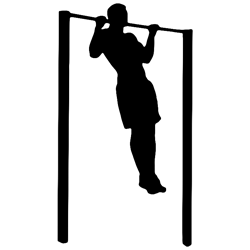
A pull-up done only on the way down: you jump or step to the top and lower yourself slowly to a straight-arm hang, mainly working your lats.
- Primary muscles
- Lats
- Secondary
- Upper back, Rear delts, Biceps, Forearm flexors
- Difficulty
- Beginner
- Logged as
- Reps
Loads from YouTube only when you press play. The video is by an independent creator.
Why do it
Negatives are the bar-only way to work toward your first pull-up when you don't have a band or an assisted machine. You're stronger lowering your bodyweight than lifting it, so you can control the way down long before you can pull yourself up. Slow descents of three to five seconds train the whole range you'll need later, and a few clean reps beat many fast ones. Expect sore lats after the first sessions, so start with only a few reps.
How to do it
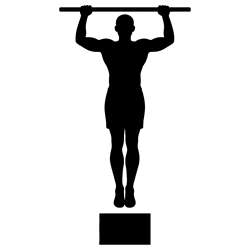
Stand on a box or bench under a pull up bar and grip the bar overhand, slightly wider than your shoulders.
Jump or step up until your chin is above the bar, then take your feet off the box with your elbows bent and your shoulders pulled down.
Lower yourself slowly, taking three to five seconds, until your arms are straight. Keep your legs together and brake all the way down instead of dropping through the last part.
Put your feet back on the box and step up to the top for the next rep instead of pulling up. Start with a few reps, since the slow lowering makes your muscles sorer than usual at first; more controlled reps count as progress toward your first full pull up.
Common mistakes
Dropping through the bottom
Most people lose control in the last third, where the arms are nearly straight. Keep braking until your arms are straight and your shoulders are still pulled down.
Lowering too fast
A one-second drop barely loads your back. Count three to five seconds per rep and end the set when you can't slow down any more.
Doing too many reps at first
Slow lowering makes you sorer than you're used to. Start with a few sets of a few reps and add more once the soreness settles.
Starting below the bar
If your chin starts under the bar, you skip the top of the range. Use a box high enough that you can step up until your chin is clearly over the bar.
Sets, reps and progression
How many sets you do and how close to failure you take them depend on your goal and your week, not on the exercise. These guides cover it:
Alternatives that train the same thing
Same movement, a different angle or piece of equipment.