Neutral Grip Pull Up
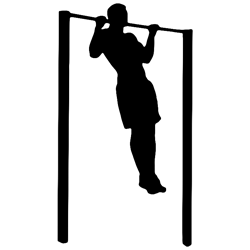
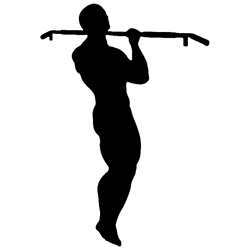
A pull-up on parallel handles with your palms facing each other: from a full hang, you pull your elbows down to your sides until your chin passes the bar, mainly using your lats.
- Primary muscles
- Lats
- Secondary
- Upper back, Biceps, Forearm flexors
- Difficulty
- Intermediate
- Logged as
- Reps
Why do it
The neutral grip is usually the most comfortable pull-up variation on the shoulders and elbows, which makes it a good default if overhand pull-ups bother your joints. It sits between a pull-up and a chin-up: your biceps help a bit more than with an overhand grip, and most people find it a touch easier. You need a bar with parallel handles, which many racks and pull-up stations have. Once you can do several clean sets, start adding weight.
How to do it
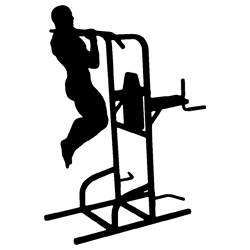
Grip a pair of parallel handles with your palms facing each other and hang with your arms straight.
Pull your elbows down toward your sides until your chin passes the bar.
Lower yourself under control to a full hang.
The neutral grip is usually the easiest pull-up variation on the shoulders and elbows, so it's a good default if the overhand version bothers your joints.
Common mistakes
Letting your elbows drift forward
Pull your elbows down toward your sides. Letting them travel in front of you turns the rep into more of a curl and shortens the pull for your lats.
Hanging with shrugged shoulders
Starting with your shoulders up by your ears leaves your lats out of the first part. Pull your shoulders down before every rep.
Chopping off the bottom
Because this grip feels easier, it's tempting to rush reps from bent arms. Lower to a full hang every time.
Swaying between the handles
Parallel handles can let your body rock forward and back. Keep your core tight and your legs still so each rep goes straight up.
Sets, reps and progression
How many sets you do and how close to failure you take them depend on your goal and your week, not on the exercise. These guides cover it:
Alternatives that train the same thing
Same movement, a different angle or piece of equipment.