Overhead Curl
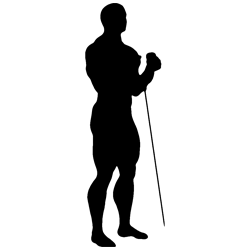
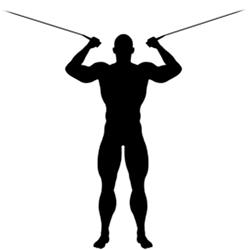
A standing cable curl between two high pulleys: with your arms out to the sides at shoulder height, you curl the handles toward your ears, working your biceps with your arms raised.
- Primary muscles
- Biceps
- Difficulty
- Beginner
- Logged as
- Weight × reps
Loads from YouTube only when you press play. The video is by an independent creator.
Why do it
It trains the biceps with your arms raised, a position most curls never reach, and the cables keep tension on at full stretch where a dumbbell would go light. That makes it a useful second biceps exercise after a heavier standing curl, or a finisher with a strong squeeze. You need a station with two high pulleys, and you'll use much less weight than on a normal curl. Compared with the seated version, standing is quicker to set up but easier to cheat by leaning.
How to do it
Set the pulleys on two cable stations to their highest position and attach a single handle to each.
Stand in the middle and take a handle in each hand with an underhand grip, arms out to the sides at shoulder height or a little above.
Curl the handles toward your ears, keeping your upper arms fixed in place.
Let your arms extend back out slowly against the pull. The cable keeps tension on the biceps at full stretch, which a dumbbell curl doesn't.
Common mistakes
Letting the upper arms drop
As you tire, your elbows sink below your shoulders and it turns into a regular curl. Keep your upper arms fixed at shoulder height or a little above.
Rocking your torso
Leaning forward or back shifts the cable angle and lets your shoulders join in. Stand tall in the middle of the station.
Pulling the elbows down and in
Bringing your elbows toward your body turns the curl into a pulldown. Your upper arms stay still while only your forearms move.
Letting the cables snap your arms out
The stacks pull your arms back toward the pulleys fast. Let them extend slowly so your biceps work through the stretch.
Sets, reps and progression
How many sets you do and how close to failure you take them depend on your goal and your week, not on the exercise. These guides cover it:
Alternatives that train the same thing
Same movement, a different angle or piece of equipment.