Paused Squat
A squat with a deliberate stop at the bottom: you sit to at least parallel, hold for a second or more without relaxing, then drive back up.
Equipment
- Primary muscles
- Quads, Glutes
- Secondary
- Lower back, Adductors
- Difficulty
- Intermediate
- Logged as
- Weight × reps
- Primary muscles
- Quads, Glutes
- Secondary
- Lower back, Adductors
- Difficulty
- Beginner
- Logged as
- Weight × reps
- Primary muscles
- Quads, Glutes
- Secondary
- Lower back, Adductors
- Difficulty
- Beginner
- Logged as
- Reps
Loads from YouTube only when you press play. The video is by an independent creator.
Why do it
Pausing at the bottom removes the bounce, so you stand up from a dead stop, which builds strength out of the bottom and teaches you to hold your position. Powerlifters use it for exactly that, and it helps anyone whose squats fold or rush through the bottom. Expect less weight than on a normal squat. The barbell builds the most strength, the Smith machine makes the pause easier to hold steady, and bodyweight with longer pauses is a good start for beginners.
How to do it (Barbell)
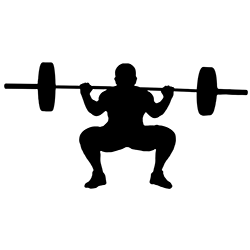
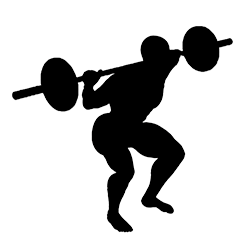
Take the bar on your upper back, stand with your feet shoulder-width apart and your toes turned out slightly.
Brace your core and take a breath before you descend.
Squat down until your thighs are at least parallel, keeping your chest up and your knees tracking over your toes.
Hold the bottom for one to three seconds without relaxing, then drive back up. The pause kills the stretch reflex, so expect to use less weight than on a normal squat.
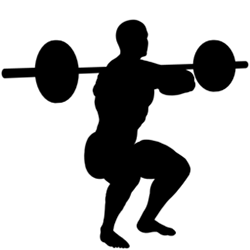
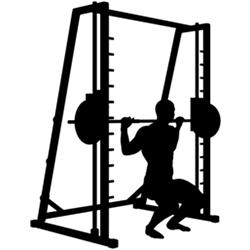
Set the bar at shoulder height, step under it so it sits on your upper back, and twist to unrack it.
Walk your feet slightly forward, shoulder-width apart, toes turned out a little.
Squat down until your thighs are at least parallel to the floor, keeping your knees in line with your toes.
Hold the bottom for one to three seconds without relaxing, then drive back up. The fixed path makes the pause easier to hold steady than with a free bar.
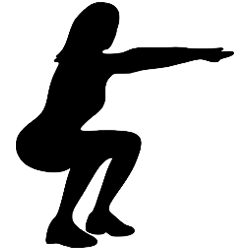
Stand with your feet shoulder-width apart, toes turned out slightly, arms out in front of you for balance.
Push your hips back and squat down until your thighs are at least parallel to the floor.
Hold the bottom for one to three seconds, staying tight instead of resting on your joints.
Drive back up through your whole foot. Longer pauses make this harder without any equipment, so build the hold time as you get stronger.
Common mistakes
Relaxing in the pause
Sinking into your joints during the hold turns it into a rest, and the drive up falls apart. Stay braced and keep pushing your knees out while you wait.
Pausing above parallel
Stopping high because the hold is hard skips the point of the exercise. Reach full depth first, then start counting.
Turning the pause into a touch
A split-second stop is still a bounce. Hold still for a full count before you drive up.
Using your normal squat weight
Without the bounce, your regular working weight is often too heavy. Start noticeably lighter and build from there.
Sets, reps and progression
How many sets you do and how close to failure you take them depend on your goal and your week, not on the exercise. These guides cover it:
Alternatives that train the same thing
Same movement, a different angle or piece of equipment.