Prone Leg Curl
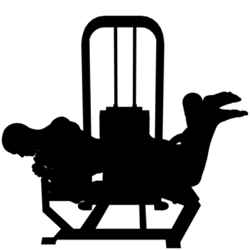
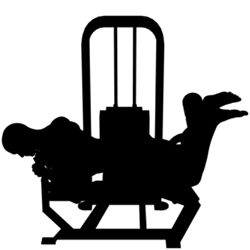
A machine hamstring exercise done lying face down: you curl a padded roller from just above your heels toward your glutes, then lower it slowly.
- Primary muscles
- Hamstrings
- Difficulty
- Beginner
- Logged as
- Weight × reps
Loads from YouTube only when you press play. The video is by an independent creator.
Why do it
The prone leg curl is the simplest way to train your hamstrings directly, with no balance or technique hurdles, so it fits beginners and anyone adding hamstring work after squats or deadlifts. Because your hips stay straight, your hamstrings work in a shorter position than on the seated curl, and most people feel the squeeze most near the top. Using both legs lets you load it heavier; a single-leg set helps if one side lags.
How to do it
Lie face down with your knees just past the edge of the pad and the roller resting just above your heels.
Grip the handles and press your hips into the bench.
Curl your heels up toward your glutes as far as the machine allows.
Lower slowly against the resistance without letting your knees lock at the bottom. If your hips lift off the pad, use less weight.
Common mistakes
Lifting your hips off the pad
When the weight gets heavy, your hips rise and your lower back arches to help. Press your hips into the bench, and if they still lift, drop the weight.
Cutting the curl short
Half reps near the bottom miss the part where your hamstrings work hardest. Curl your heels as close to your glutes as the machine allows before lowering.
Letting the stack drop
Letting the weight fall wastes half of every rep. Lower slowly against the resistance and stop just before your knees lock instead of letting the plates bang.
Roller resting on your calves
With the roller high on your calves, the lever gets shorter and the curl feels awkward. Set it just above your heels, with your knees just past the edge of the pad.
Sets, reps and progression
How many sets you do and how close to failure you take them depend on your goal and your week, not on the exercise. These guides cover it:
Alternatives that train the same thing
Same movement, a different angle or piece of equipment.