Seated Leg Curl
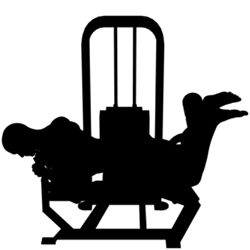
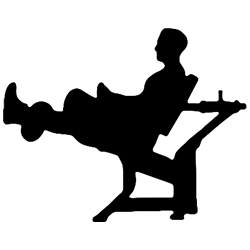
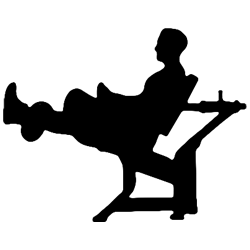
A machine hamstring curl done sitting: with a pad holding your thighs down, you curl a roller from just above your heels down and back toward the seat.
- Primary muscles
- Hamstrings
- Difficulty
- Beginner
- Logged as
- Weight × reps
Loads from YouTube only when you press play. The video is by an independent creator.
Why do it
Sitting bends your hips, which keeps your hamstrings on stretch for the whole curl, and that's the main reason lifters choose the seated curl over the lying one. It's simple to learn and hard to cheat, because the lap pad pins you down, so it suits everyone from beginners to advanced lifters. If you have both machines, the seated one makes a good default and the lying one adds variety.
How to do it
Set the seat and backrest so the backs of your knees line up with the machine's pivot, and lower the lap pad onto your thighs.
Place your lower legs on the roller just above your heels, legs extended.
Curl your heels down and back toward the seat as far as the machine allows.
Let your legs extend slowly against the resistance. Keep your hips down; lifting them off the seat shortens the hamstring stretch that makes this version useful.
Common mistakes
Knees not lined up with the pivot
If your knees sit in front of or behind the machine's axis, the roller slides along your leg and the curl feels awkward. Adjust the backrest until the backs of your knees match the pivot.
Leaving the lap pad loose
A loose pad lets your hips lift as you curl, which shortens the stretch that makes this version worth doing. Pull it down snugly onto your thighs before the first rep.
Rocking your torso to move the weight
Pulling on the handles and swinging your upper body helps the weight move but takes work off your hamstrings. Sit tall against the backrest and curl with your legs only.
Stopping short of full extension
Letting the roller come only halfway back skips the stretched part of the rep. Let your legs extend almost fully, slowly, before the next curl.
Sets, reps and progression
How many sets you do and how close to failure you take them depend on your goal and your week, not on the exercise. These guides cover it:
Alternatives that train the same thing
Same movement, a different angle or piece of equipment.