Nordic Hamstring Curls
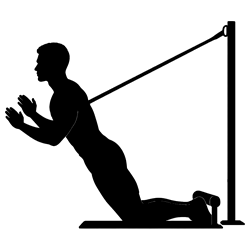
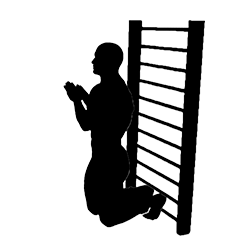
A bodyweight hamstring exercise done kneeling with your ankles anchored: you lean forward as slowly as you can, braking with your hamstrings, then pull yourself back up.
- Primary muscles
- Hamstrings
- Secondary
- Lower back, Abs, Glutes, Calves
- Difficulty
- Advanced
- Logged as
- Reps
Loads from YouTube only when you press play. The video is by an independent creator.
Why do it
Nordics load your hamstrings very hard while they lengthen, using nothing but your bodyweight, so they're a common pick for sprinters, team-sport athletes and anyone without a leg curl machine. They're far harder than any machine curl, and most people can't control the full way down at first. A band-assisted version takes some of your weight off while you build up. Expect serious soreness after the first sessions.
How to do it
Kneel on something padded with your ankles held down by a partner or a secure anchor.
Brace your core and keep a straight line from your head to your knees.
Lower your body forward as slowly as you can, resisting with your hamstrings the whole way.
Catch yourself lightly with your hands, push off just enough to get going, and pull yourself back up with your hamstrings. Even a few controlled reps are plenty; this one leaves you very sore.
Common mistakes
Breaking at the hips
Bending at the hips shortens the lever and makes the rep easier than it looks. Keep a straight line from head to knees and squeeze your glutes the whole way down.
Dropping fast once it gets hard
Most people control the top half and then fall. Fight the descent all the way, even if the last part is quick, and catch yourself with your hands.
Anchoring your ankles loosely
If your feet lift or slide, you lose tension and the rep falls apart. Use a partner who holds firmly or an anchor that can't move.
Doing too many reps too soon
Nordics leave you very sore. Start with a few slow reps per set and build over weeks; high volume in the first sessions just costs you your next leg day.
Sets, reps and progression
How many sets you do and how close to failure you take them depend on your goal and your week, not on the exercise. These guides cover it:
Alternatives that train the same thing
Same movement, a different angle or piece of equipment.