Reverse Grip Bent-Over Row
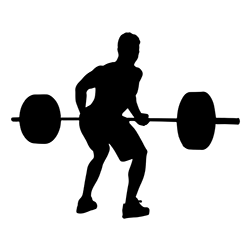
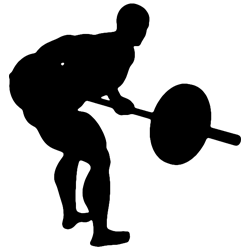
A barbell row with an underhand, shoulder-width grip: hinged forward with a flat back, you pull the bar to your lower stomach, driving your elbows back past your ribs.
- Primary muscles
- Lats, Upper back
- Secondary
- Biceps
- Difficulty
- Intermediate
- Logged as
- Weight × reps
Loads from YouTube only when you press play. The video is by an independent creator.
Why do it
Turning your palms up keeps your elbows close to your body and lets them travel further back, which shifts the emphasis toward your lats and brings your biceps in more than an overhand row. Many lifters find it easier to feel their lats this way. It's a good variation for anyone who wants a heavy barbell row with more lat focus. Build the weight up gradually rather than jumping straight to your overhand row numbers, since the underhand grip feels different under load.
How to do it
Grip the bar underhand at about shoulder width and stand with your feet hip-width apart.
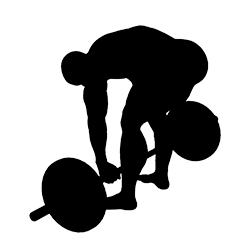
Hinge forward from the hips with a slight bend in your knees until your torso is close to parallel with the floor, back flat.
Pull the bar to your lower stomach, driving your elbows back past your ribs.
Lower it slowly until your arms are straight. Keep your torso still instead of jerking upright on each rep.
Common mistakes
Jerking upright on each rep
Using your hips to throw the bar up takes your back out of the pull. Keep your torso still and lower the weight if you can't.
Gripping too wide
A wide underhand grip is awkward on the wrists and lets your elbows drift out. Keep your hands at about shoulder width.
Turning it into a curl
With your palms up, it's easy to bend your arms and curl the bar. Think of driving your elbows back past your ribs instead.
Losing the flat back
Keep the hinge with your back flat and your torso close to parallel. Rounding over the bar shortens the pull and loads your lower back.
Sets, reps and progression
How many sets you do and how close to failure you take them depend on your goal and your week, not on the exercise. These guides cover it:
Alternatives that train the same thing
Same movement, a different angle or piece of equipment.