Reverse Grip Incline Row
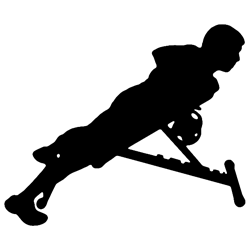
A chest-supported dumbbell row with an underhand grip: lying face down on an incline bench, you row the weights to your lower ribs, working your lats and upper back with help from your biceps.
- Primary muscles
- Upper back, Lats
- Secondary
- Biceps, Forearm flexors
- Difficulty
- Beginner
- Logged as
- Weight × reps
Why do it
It suits anyone who wants to train the back hard without the lower back tiring first, since the bench carries your torso. The underhand grip keeps your elbows tucked and brings the lats and biceps in more than a palms-down or neutral grip would, which makes it a lat-focused row. Compared with a reverse grip bent-over row, you lose the hip hinge and any chance to heave the weight, so the load will be lighter but the reps cleaner.
How to do it
Set an incline bench to about 45 degrees and lie face down with your chest against the pad, feet on the floor.
Hold a dumbbell in each hand with a supinated grip, palms facing forward, arms hanging straight down.
Row the dumbbells up toward your lower ribs, keeping your elbows close to your body.
Lower them slowly to a full stretch. The chest support means your lower back does nothing here, so all the effort goes into the pull.
Common mistakes
Lifting your chest off the pad
If your chest peels away at the top, your lower back has joined in. Keep your sternum on the pad and pick a weight you can row from there.
Letting the elbows flare out
The underhand grip works when your elbows stay close to your sides. Flared elbows twist your wrists against the grip and take the lats out of it.
Curling the dumbbells up
With palms forward it's easy to bend at the elbow first and turn the row into a curl. Drive your elbows back toward your hips and let your hands come along.
Cutting the bottom short
Let your arms hang straight and your shoulder blades spread before each rep. Stopping halfway down skips the stretch that the chest support makes easy to reach.
Sets, reps and progression
How many sets you do and how close to failure you take them depend on your goal and your week, not on the exercise. These guides cover it:
Alternatives that train the same thing
Same movement, a different angle or piece of equipment.