Reverse Lat Pulldown
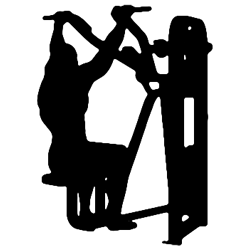
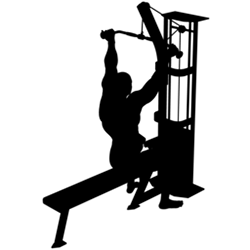
A lat pulldown with an underhand, shoulder-width grip: seated under the high pulley, you pull a straight bar to your upper chest, training your lats and biceps together.
- Primary muscles
- Lats, Biceps
- Secondary
- Upper back, Forearm flexors
- Difficulty
- Beginner
- Logged as
- Weight × reps
Loads from YouTube only when you press play. The video is by an independent creator.
Why do it
This is the pulldown version of a chin-up, so it's a good pick if chin-ups are still out of reach or you want to train that pattern for higher reps. The underhand grip keeps your elbows in front of you and close to your body, which brings the biceps in and usually lets you move a bit more weight than on a wide overhand pulldown. If the palms-up grip feels awkward on your wrists, a V-bar gives you a similar tucked elbow path with your palms facing each other.
How to do it
Attach a straight bar to the high pulley and set the thigh pads snug against your legs.
Grip the bar underhand at about shoulder width, sit down and let your arms extend fully overhead.
Pull the bar to your upper chest, driving your elbows down and back close to your body.
Let it rise slowly to a full stretch. The underhand grip brings the biceps in more, so you can usually handle a bit more weight than on a wide overhand pulldown.
Common mistakes
Leaning way back to row the bar
A slight lean is fine, but tipping far back turns the pulldown into a row. Stay mostly upright and pull your elbows down toward your hips.
Turning it into a biceps curl
With palms up, the arms tend to take over while the elbows barely move. Start each rep by pulling your shoulder blades down, then drive your elbows down.
Stopping short of the stretch
Let the bar rise until your arms are straight and you feel your lats lengthen. Half reps at the top cut out a big part of the range.
Gripping much wider than your shoulders
The underhand grip works at about shoulder width. Spread your hands far wider and your wrists twist while your elbows lose their tucked path.
Sets, reps and progression
How many sets you do and how close to failure you take them depend on your goal and your week, not on the exercise. These guides cover it:
Alternatives that train the same thing
Same movement, a different angle or piece of equipment.