Seated Biceps Curl
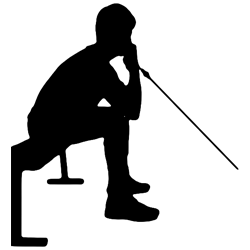
A cable curl done sitting on a bench facing the low pulley: with your elbows at your sides, you curl a straight bar toward your shoulders, isolating your biceps without leg drive.
- Primary muscles
- Biceps
- Secondary
- Forearm flexors
- Difficulty
- Beginner
- Logged as
- Weight × reps
Loads from YouTube only when you press play. The video is by an independent creator.
Why do it
Sitting down takes your legs and hips out of the curl, so it suits anyone whose standing curls tend to turn into a body swing. The cable keeps tension on from the bottom, and the seated position makes it easy to stay still through higher-rep sets. Compared with a lying cable curl, it's quicker to set up and you can watch the bar; compared with a standing cable curl, you'll likely use a little less weight but get cleaner reps.
How to do it
Attach a straight bar to the low pulley and set a bench in front of the machine so you sit facing it, feet flat on the floor.
Grip the bar underhand at about shoulder width with your arms extended and your elbows at your sides.
Curl the bar toward your shoulders, keeping your upper arms still.
Lower it slowly to full extension. Sitting removes the leg drive and body english you'd get standing.
Common mistakes
Leaning back as you curl
Even seated, you can rock your torso back to finish a rep. Sit tall with your chest up and move only your forearms.
Elbows sliding forward
Letting your elbows drift forward over your knees rests the biceps at the top. Keep your elbows by your sides for the whole set.
Stopping before your arms straighten
With the cable keeping tension on, it's tempting to stop short and keep pumping. Go all the way to straight arms so each rep covers the whole range.
Sets, reps and progression
How many sets you do and how close to failure you take them depend on your goal and your week, not on the exercise. These guides cover it:
Alternatives that train the same thing
Same movement, a different angle or piece of equipment.