Seated Lateral Raise
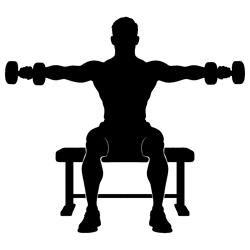
Sitting on the edge of a bench with dumbbells at your sides, you raise your arms out to shoulder height and lower them slowly, with no leg drive to help the side delts.
- Primary muscles
- Side delts
- Secondary
- Front delts, Serratus
- Difficulty
- Beginner
- Logged as
- Weight × reps
Loads from YouTube only when you press play. The video is by an independent creator.
Why do it
Sitting doesn't change which muscle works, but it removes the knee bend and hip rock that creep into standing raises as you tire. That makes it a good choice for strict sets, high reps, or anyone who catches themselves swinging. Expect to use slightly lighter dumbbells than standing, and keep the same path: elbows leading, shoulders down, a slow lowering.
How to do it
Sit on the edge of a bench with a dumbbell in each hand hanging at your sides, palms facing in.
Raise your arms out to the sides with a slight bend in the elbows until they reach shoulder height.
Lead with your elbows and keep your shoulders down away from your ears.
Lower slowly back to your sides. Sitting removes the leg drive and body swing, so the side delts do all the work.
Common mistakes
Rocking your torso anyway
Sitting removes leg drive, but you can still lean back and heave. Sit tall with your core braced and keep your torso still from first rep to last.
Lifting with your hands, not your elbows
When your hands lead and rise above your elbows, the front delts tend to take over. Keep your elbows level with or slightly above your hands.
Sitting too far back on the bench
If the bench or your thighs get in the way, the dumbbells bump at the bottom and you lose tension. Sit on the very edge so they hang freely at your sides.
Letting your shoulders creep up
Shoulders rising toward your ears mean the traps are doing the lifting. Keep them low and pressed away from your ears for every rep.
Sets, reps and progression
How many sets you do and how close to failure you take them depend on your goal and your week, not on the exercise. These guides cover it:
Alternatives that train the same thing
Same movement, a different angle or piece of equipment.