V-Bar Lat Pulldown
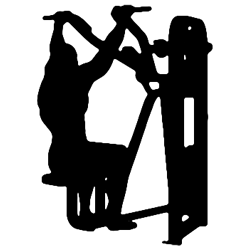
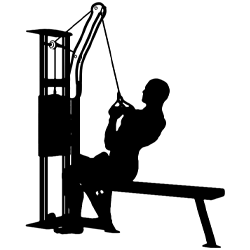
A lat pulldown with a close neutral grip: seated under the high pulley, you pull a V-bar to your upper chest with your palms facing each other, mainly working your lats.
- Primary muscles
- Lats
- Secondary
- Upper back, Biceps, Forearm flexors
- Difficulty
- Beginner
- Logged as
- Weight × reps
Loads from YouTube only when you press play. The video is by an independent creator.
Why do it
The neutral grip feels comfortable for most wrists and shoulders, and the close hands keep your elbows tight to your sides, which suits anyone who finds a wide bar awkward. It tends to give a longer range than a wide-grip pulldown and lets you handle solid weight, so it works well as a main lat exercise for moderate to higher reps. Compared with an underhand pulldown, your forearms stay in a neutral line, which many people find easier to hold.
How to do it
Attach a V-bar to the high pulley and set the knee pad snug against your thighs.
Sit down, plant your feet and grip the bar with your palms facing each other, arms extended.
Pull the bar to your upper chest, driving your elbows down toward your sides.
Let the bar rise slowly until your arms are straight and your shoulder blades lift slightly. A small backward lean is fine, but don't row the weight down with your whole torso.
Common mistakes
Rowing it down with your torso
A small lean back is fine, but rocking far back turns the pulldown into a row. Keep your chest up and let your elbows do the traveling.
Stopping with the handle at your chin
Stopping high cuts off the bottom of the pull, where the lats finish the movement. Bring the handle to your upper chest with your elbows by your sides.
Losing the stretch at the top
Let the bar rise until your arms are straight and your shoulder blades lift slightly. Keeping them pinned down the whole time shortens every rep.
Elbows drifting out wide
With a V-bar your elbows should travel down beside your ribs. If they flare, you lose the close-grip line of pull, so lighten up and keep them tucked.
Sets, reps and progression
How many sets you do and how close to failure you take them depend on your goal and your week, not on the exercise. These guides cover it:
Alternatives that train the same thing
Same movement, a different angle or piece of equipment.