V-Bar Row
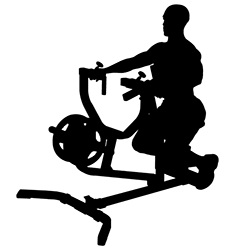
The classic seated cable row with a close-grip V-handle: you pull it to your lower stomach with your palms facing each other, working your upper back and lats.
- Primary muscles
- Upper back, Lats
- Secondary
- Biceps, Rear delts
- Difficulty
- Beginner
- Logged as
- Weight × reps
Loads from YouTube only when you press play. The video is by an independent creator.
Why do it
The close neutral grip keeps your elbows tight to your body and drives them back along your sides, which brings the lats in more than a wide bar does. It's a solid row for any level: the seat and footrests make it easy to learn, and the weight stack makes small load jumps easy. Compared with a wide-grip cable row, you pull lower and the rear delts do a little less, so pick this one when your lats are the main target.
How to do it
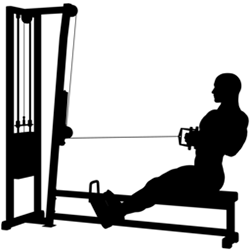
Attach a V-handle to the seated row station, sit down and put your feet on the footrests with your knees slightly bent.
Grip the handle with your arms extended and lean forward slightly from the hips, back flat.
Pull the handle to your lower stomach, driving your elbows straight back and squeezing your shoulder blades together.
Extend your arms slowly and let your shoulder blades travel forward at the end. Let your torso rock a little, but don't row with your lower back.
Common mistakes
Rocking back to move the stack
Leaning way back on each rep swaps your back muscles for body weight. Allow a little rock, then hold your torso still and pull with your arms and shoulder blades.
Rounding forward at full extension
Reaching for the stretch by collapsing your upper back loses your position. Lean forward slightly from the hips with a flat back instead.
Pulling the handle to your chest
A V-handle pulled high makes your elbows flare and rise. Aim for your lower stomach so your elbows stay low and close to your sides.
Sets, reps and progression
How many sets you do and how close to failure you take them depend on your goal and your week, not on the exercise. These guides cover it:
Alternatives that train the same thing
Same movement, a different angle or piece of equipment.