Weighted Pistol Squat
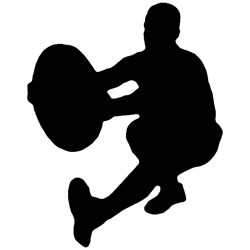
A pistol squat with added load: holding a dumbbell or kettlebell at your chest, or wearing a vest, you squat down on one leg with the other held out in front of you.
- Primary muscles
- Quads, Glutes
- Secondary
- Adductors
- Difficulty
- Advanced
- Logged as
- Added weight × reps
Loads from YouTube only when you press play. The video is by an independent creator.
Why do it
It's the next step once bodyweight pistols are solid and you can do clean sets on each leg. The weight in front acts as a counterbalance, so many people find the bottom easier to control than without it, but the working leg has more to lift. It's a demanding test of single-leg strength and mobility for calisthenics athletes and anyone without a barbell. Add load in small steps and keep every rep to full depth.
How to do it
Hold a dumbbell or kettlebell at your chest with both hands, or wear a weighted vest.
Stand on one leg with the other extended out in front of you, just off the ground.
Lower yourself by bending your standing knee, keeping your chest up and the weight close to your body.
Drive back up through your whole foot. The weight in front actually helps you balance, so this can feel easier than the bodyweight version once you're strong enough.
Common mistakes
Adding weight before owning the pistol
If your bodyweight reps aren't controlled to full depth, the load just hides the problem. Get solid sets without weight first.
Holding the weight away from you
A weight drifting out in front pulls your chest down. Keep it close to your body, as the steps say, so it works as a counterweight.
Bouncing out of the bottom
Collapsing into the bottom and rebounding gives up control of the knee. Lower steadily and drive up through your whole foot.
Heel lifting on the standing foot
Shifting onto your toes throws your balance forward. Keep the whole foot planted; a thin plate under the heel can help while your ankle mobility improves.
Sets, reps and progression
How many sets you do and how close to failure you take them depend on your goal and your week, not on the exercise. These guides cover it:
Alternatives that train the same thing
Same movement, a different angle or piece of equipment.