Wide Grip Pull Up
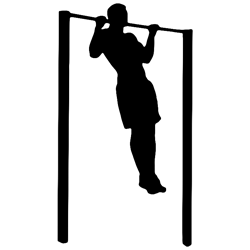
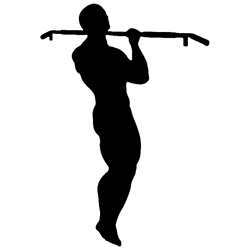
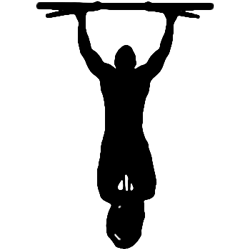
A bodyweight pull-up with your hands well outside shoulder width: from a dead hang you pull your chest toward the bar until your chin clears it, mainly working your lats.
- Primary muscles
- Lats
- Secondary
- Rear delts, Upper back, Biceps, Forearm flexors
- Difficulty
- Intermediate
- Logged as
- Reps
Loads from YouTube only when you press play. The video is by an independent creator.
Why do it
Wide grip pull-ups suit people who can already do several regular pull-ups and want a harder variation that keeps the focus on the lats and upper back. The wide grip shortens the range and makes the pull mechanically harder, so expect fewer reps than with a standard grip. If you can't get full reps yet, a wide grip lat pulldown trains the same pattern with less than your body weight.
How to do it
Grip the bar overhand well outside shoulder-width and hang with your arms straight.
Pull your shoulder blades down and lean back slightly.
Pull your chest toward the bar, keeping your elbows tracking down rather than flaring back.
Get your chin over the bar, then lower under control to a full hang. The wide grip cuts the range short, so expect fewer reps than a standard pull-up.
Common mistakes
Going so wide you can't finish
A grip far wider than your shoulders allow leaves your chin short of the bar. Set your hands well outside shoulder width, but where you can still complete full reps.
Letting the elbows flare back
Elbows drifting behind you turn the pull into a shrug. Keep them tracking down toward your sides as you pull your chest up.
Starting from bent arms
Each rep should begin from a full hang. Stopping halfway down makes the set feel easier but trims a range that's already short with this grip.
Pulling straight up with no lean
Hanging dead vertical tends to bring your face to the bar and cut the rep. Lean back slightly and aim your chest at the bar.
Sets, reps and progression
How many sets you do and how close to failure you take them depend on your goal and your week, not on the exercise. These guides cover it:
Alternatives that train the same thing
Same movement, a different angle or piece of equipment.