Wide Grip Row
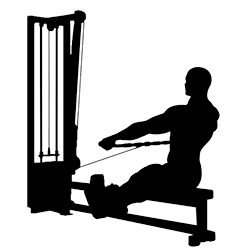
A seated cable row with a wide overhand bar: sitting upright, you pull it to your lower chest with your elbows flared, working your rear delts and upper back more than your lats.
- Primary muscles
- Rear delts, Upper back, Lats
- Secondary
- Biceps, Forearm flexors
- Difficulty
- Beginner
- Logged as
- Weight × reps
Loads from YouTube only when you press play. The video is by an independent creator.
Why do it
Use it when you want your rows to build the rear delts and the muscles between your shoulder blades rather than the lats. The wide grip and high elbow path change where the work goes, so it pairs well with a close-grip row in the same program. Expect to use less weight than on a V-bar or close-grip row, and keep your torso upright so your rear delts, not a backward lean, finish each rep.
How to do it
Attach a wide bar to the low pulley, sit down and put your feet on the footrests with your knees slightly bent.
Grip the bar overhand well outside shoulder-width, arms extended and torso upright.
Pull the bar to your lower chest with your elbows flared out to the sides, squeezing your shoulder blades together.
Extend your arms slowly under control. The high elbow path shifts the work from the lats onto the rear delts and mid-back.
Common mistakes
Tucking the elbows in
Once your elbows drop to your sides it becomes a normal row and the rear delts lose the focus. Keep them out to the sides, roughly in line with the bar.
Pulling the bar to your stomach
A low target forces your elbows down. Aim the bar at your lower chest so your elbows can stay high.
Leaning back to finish the rep
Rocking back lets your body weight move the bar the last stretch. Stay upright and stop where your shoulder blades are fully squeezed.
Shrugging the bar in
With your elbows high, the traps like to take over. Keep your shoulders down away from your ears while you squeeze your shoulder blades together.
Sets, reps and progression
How many sets you do and how close to failure you take them depend on your goal and your week, not on the exercise. These guides cover it:
Alternatives that train the same thing
Same movement, a different angle or piece of equipment.