Decline Bench Press
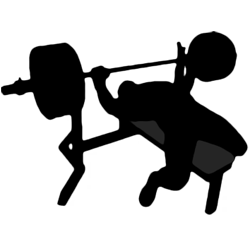
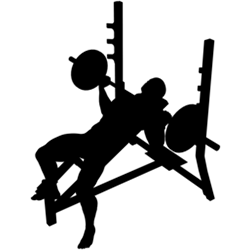
With your feet hooked in on a bench tilted head-down, you lower the weight to your lower chest and press it back up, putting the emphasis on the lower part of your chest.
Equipment
- Primary muscles
- Lower chest
- Secondary
- Middle chest, Upper chest, Front delts, Triceps
- Difficulty
- Intermediate
- Logged as
- Weight × reps
- Primary muscles
- Lower chest
- Secondary
- Middle chest, Upper chest, Front delts, Triceps
- Difficulty
- Intermediate
- Logged as
- Weight × reps
- Primary muscles
- Lower chest
- Secondary
- Middle chest, Upper chest, Front delts, Triceps
- Difficulty
- Beginner
- Logged as
- Weight × reps
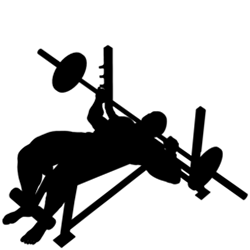
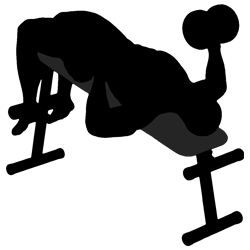
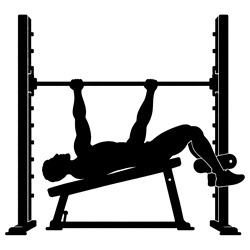
Loads from YouTube only when you press play. The video is by an independent creator.
Why do it
The decline press shifts the work toward your lower chest and shortens the range compared with a flat press, which many lifters find easier on the shoulders. It suits you if you want to round out your chest training or press heavy with less shoulder stretch. The Smith machine version is the easiest to get in and out of and fine to train alone. Dumbbells allow a freer path, and the barbell loads heaviest but is awkward to unrack, so use a spotter once it gets heavy.
How to do it (Barbell)
Set the bench to 15-30 degrees of decline and hook your feet under the pads.
Grip the bar slightly wider than shoulder-width and unrack it over your lower chest.
Lower it to your lower chest with your elbows at roughly 45 degrees to your body.
Press back up until your arms are extended. Getting in and out of the decline position is the awkward part, so use a spotter when the weight is heavy.
Set a decline bench to 15-30 degrees and hook your feet under the pads. Hold the dumbbells at shoulder level and lie back.
Bring the dumbbells to the sides of your chest with your palms facing your feet.
Press them up and slightly together until your arms are nearly straight.
Lower them slowly to the sides of your chest. The decline puts the work on the lower chest and takes some strain off the shoulders compared with a flat press.
Set a decline bench under the Smith machine so the bar lines up with your lower chest, hook your feet in and lie back.
Grip the bar a bit wider than shoulder-width and unhook it.
Lower the bar to your lower chest under control.
Press back up until your arms are straight. The guided bar makes the decline angle much easier to control than with free weights.
Common mistakes
Setting the decline too steep
A steep angle shortens the press so much that your chest barely works, and getting in and out gets harder. A mild decline is enough.
Feet not locked in
If your feet aren't hooked under the pads, you slide down the bench as you press. Set your feet before you lie back.
Lowering toward your neck
On a decline the bar should land on your lower chest. Bringing it higher flares your elbows and moves the work away from your lower chest.
Unracking a heavy bar alone
The awkward head-down position makes the unrack and rerack the hardest part. Use a spotter for heavy barbell sets or switch to the Smith machine.
Sets, reps and progression
How many sets you do and how close to failure you take them depend on your goal and your week, not on the exercise. These guides cover it:
Alternatives that train the same thing
Same movement, a different angle or piece of equipment.