Deficit Deadlift
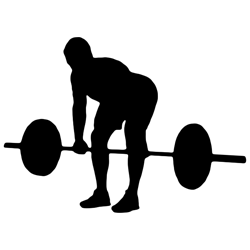
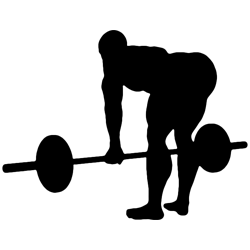
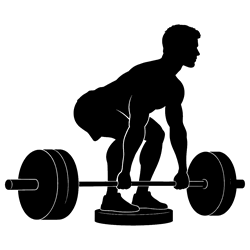
A deadlift done standing on a low platform or plate, so you start deeper and pull through a longer range, working your hamstrings, glutes and back off the floor.
- Primary muscles
- Hamstrings, Glutes, Lower back
- Secondary
- Quads, Adductors, Traps, Forearm flexors
- Difficulty
- Intermediate
- Logged as
- Weight × reps
Loads from YouTube only when you press play. The video is by an independent creator.
Why do it
Standing on a plate or low platform makes the bar start lower than usual, so you spend longer in the hardest part of the pull. Lifters use it to get faster and stronger off the floor, where many deadlifts slow down or fail. It's an intermediate accessory, not a replacement for your regular deadlift, and it needs good hip and hamstring mobility to keep your back flat in the deeper start. Keep the platform low and use noticeably less weight than usual.
How to do it
Stand on a low platform or a plate so your feet are 2 to 5 centimetres above the bar's floor level.
Grip the bar just outside your legs with a flat back; the deficit forces a deeper start position, so take your time setting up.
Push the floor away and stand up, keeping the bar close to your legs.
Lock out and lower under control. Use less weight than your normal deadlift; this trains the hardest part off the floor.
Common mistakes
Standing on too high a platform
A big deficit makes a flat back hard to hold and changes the lift too much. A low step is enough; raise it only if your start position stays solid.
Rounding to reach the bar
The deeper start tempts you to bend at the back instead of dropping your hips. Take your time, lift your chest and get your back flat before you pull.
Using your normal deadlift weight
The longer range makes your usual working weight much harder. Drop the load so every rep looks like a good regular deadlift.
Sets, reps and progression
How many sets you do and how close to failure you take them depend on your goal and your week, not on the exercise. These guides cover it:
Alternatives that train the same thing
Same movement, a different angle or piece of equipment.