Romanian Deadlift
A hip hinge from standing: with a slight bend in your knees, you push your hips back and lower the weight along your legs until your hamstrings stretch, then drive your hips forward.
Equipment
- Primary muscles
- Hamstrings, Glutes
- Secondary
- Lower back, Adductors
- Difficulty
- Intermediate
- Logged as
- Weight × reps
- Primary muscles
- Hamstrings, Glutes
- Secondary
- Lower back, Adductors
- Difficulty
- Beginner
- Logged as
- Weight × reps
- Primary muscles
- Hamstrings, Glutes
- Secondary
- Lower back, Adductors
- Difficulty
- Intermediate
- Logged as
- Weight × reps
- Primary muscles
- Hamstrings, Glutes
- Secondary
- Lower back, Adductors
- Difficulty
- Beginner
- Logged as
- Weight × reps
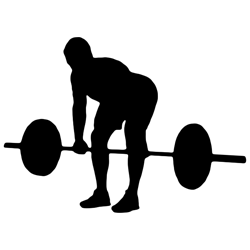
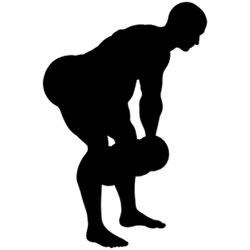
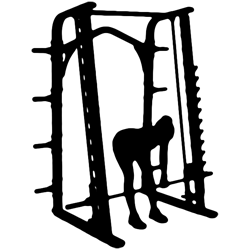
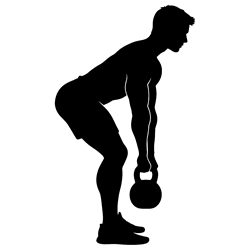
Loads from YouTube only when you press play. The video is by an independent creator.
Why do it
The Romanian deadlift builds your hamstrings and glutes through a long stretch, and it's a common way to learn the hip hinge. Unlike a regular deadlift, each rep starts at the top and stops short of the floor, so your hamstrings stay loaded. The barbell lets you load it heaviest, dumbbells and a kettlebell are easier to learn and fit home setups, and the Smith machine takes balance out of it, as long as you set your feet slightly in front of the bar.
How to do it (Barbell)
Stand with your feet hip-width apart and hold the bar overhand just outside your thighs, arms straight.
Bend your knees slightly and push your hips back, keeping your back flat and the bar against your legs.
Lower the bar until you feel a strong stretch in your hamstrings, usually around mid-shin. It doesn't touch the floor.
Drive your hips forward to stand back up and squeeze your glutes at the top. Unlike a deadlift, every rep starts and ends standing.
Stand with your feet hip-width apart, dumbbells in front of your thighs, palms facing your legs.
Push your hips back and lower the dumbbells along your legs, keeping a slight bend in your knees and your back flat.
Stop when you feel a strong stretch in your hamstrings, usually around mid-shin.
Drive your hips forward to stand up and squeeze your glutes at the top. The movement comes from your hips, not from bending your back.
Set the bar at mid-thigh height, stand facing it with your feet hip-width apart and grip it overhand just outside your legs.
Unlock the bar and stand upright with a slight bend in your knees, bar against your thighs.
Push your hips back and lower the bar down your legs until you feel a strong stretch in your hamstrings, usually around mid-shin.
Drive your hips forward to stand back up and squeeze your glutes. Set your feet slightly forward of the bar so the fixed path lets your hips travel back.
Stand with your feet hip-width apart holding a kettlebell in front of your thighs with both hands.
Push your hips back and let the kettlebell slide down the front of your legs, knees slightly bent and back flat.
Lower until you feel a stretch in the hamstrings, usually around mid-shin.
Drive your hips forward to stand up and squeeze your glutes at the top. The kettlebell should stay close to your legs the whole time.
Common mistakes
Squatting the weight down
Bending your knees more as you lower turns it into a half squat and takes the stretch off your hamstrings. Keep the slight knee bend fixed and move by pushing your hips back.
Rounding your back to reach lower
Chasing the floor makes your back round once your hips stop moving. Stop where you feel a strong hamstring stretch, often around mid-shin, even if that's higher.
Letting the weight drift forward
When the bar or dumbbells float away from your legs, your lower back takes the load. Keep the weight sliding down your thighs and shins.
Locking your knees straight
Fully locked knees turn it into a stiff-leg deadlift and usually limit how far your hips travel back. Keep a soft bend that doesn't change during the rep.
Sets, reps and progression
How many sets you do and how close to failure you take them depend on your goal and your week, not on the exercise. These guides cover it:
Alternatives that train the same thing
Same movement, a different angle or piece of equipment.