Flat Bench Fly
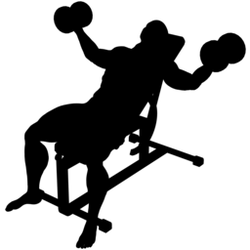
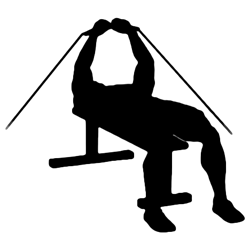
Lying on a flat bench between two low pulleys, you lower the handles out to your sides in a wide arc and bring them back together above your chest.
- Primary muscles
- Upper chest, Middle chest, Lower chest
- Secondary
- Front delts, Biceps
- Difficulty
- Beginner
- Logged as
- Weight × reps
Loads from YouTube only when you press play. The video is by an independent creator.
Why do it
This is the classic flat fly with cables in place of dumbbells. Because the cables pull out to the sides rather than straight down, your chest keeps working near the top, where dumbbells go slack, and you still get a good stretch at the bottom. The bench supports your back, so it's steadier than a standing cable fly and easier to keep strict. It needs two cable stations and a bench, so save it for when you can claim the space.
How to do it
Set a flat bench between two cable stations with both pulleys at the bottom, and attach a handle to each.
Lie back with your feet planted and hold the handles above your chest, palms facing each other, elbows slightly bent.
Lower your arms out to the sides in a wide arc until you feel a stretch across your chest.
Bring them back together along the same arc. The cable pulls sideways rather than straight down, so tension stays on the chest at the top where dumbbells lose it.
Common mistakes
Bench out of line with the pulleys
If your chest isn't level with the pulleys, the cables pull toward your head or hips. Move the bench until the cables line up with your chest.
Pressing the handles up
If your elbows bend more as the handles rise, the fly becomes a press. Keep the bend fixed and bring your hands together in an arc.
Lifting your head and shoulders
Craning up to watch the handles pulls your upper back off the bench. Keep your head down and your shoulder blades pulled back.
Resting with the handles together
Clanking the handles together at the top drops the tension that makes cables worth using. Stop just before they meet and lower again.
Sets, reps and progression
How many sets you do and how close to failure you take them depend on your goal and your week, not on the exercise. These guides cover it:
Alternatives that train the same thing
Same movement, a different angle or piece of equipment.