Low Chest Fly
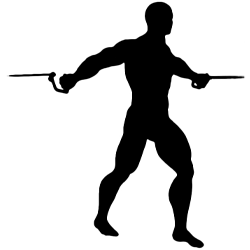
Standing between two low pulleys, you sweep the handles up and together in front of your upper chest, a low-to-high cable fly for the upper part of your chest.
- Primary muscles
- Upper chest
- Secondary
- Middle chest, Lower chest, Front delts
- Difficulty
- Beginner
- Logged as
- Weight × reps
Loads from YouTube only when you press play. The video is by an independent creator.
Why do it
This fly follows the line of the upper chest fibers, which run up toward your collarbone, so it's a simple way to target that area without an incline bench. The cables keep tension through the whole arc, including where your hands meet. Because your front delts also lift your arms, form decides whether your chest or shoulders do the work: keep the arc wide and stop at upper-chest height. It's usually done after presses, often paired with the high-to-low fly.
How to do it
Set both pulleys of a cable crossover to the lowest position and attach a handle to each.
Stand in the middle with your back to the machine, feet staggered, and step forward until the cables are under tension. Start with your hands just in front of your hips, palms facing forward and elbows slightly bent.
Sweep the handles up and together in a wide arc until they meet in front of your upper chest.
Return along the same path under control. Pulling from below puts the work on the upper chest.
Common mistakes
Raising your hands too high
Sweeping the handles up to face height turns the fly into a front raise. Stop when they meet in front of your upper chest.
Curling the handles up
With the cables coming from below, it's easy to bend your arms and curl. Keep a slight, fixed bend in your elbows.
Leaning back to finish the rep
Arching your lower back as the handles rise means the stack is too heavy. Stay slightly forward in your staggered stance and lighten the weight.
Dropping the handles fast
Letting the cables pull your hands down quickly skips the stretch at the bottom. Lower slowly to just in front of your hips.
Sets, reps and progression
How many sets you do and how close to failure you take them depend on your goal and your week, not on the exercise. These guides cover it:
Alternatives that train the same thing
Same movement, a different angle or piece of equipment.