High Chest Fly
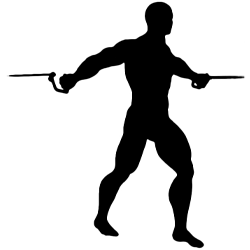
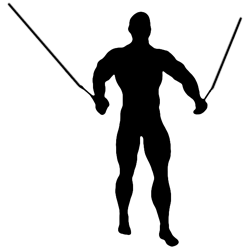
Standing between two high pulleys, you sweep the handles down and together in front of your hips, a high-to-low cable fly aimed at your lower chest.
- Primary muscles
- Lower chest
- Secondary
- Middle chest, Upper chest, Front delts, Biceps
- Difficulty
- Beginner
- Logged as
- Weight × reps
Loads from YouTube only when you press play. The video is by an independent creator.
Why do it
Pulling from above and finishing low lines the movement up with your lower chest fibers, so this is a simple isolation exercise for more lower-chest work without dips or decline pressing. A staggered stance gives you a stable base, and the cables keep tension through the whole arc. It's usually done near the end of a chest session for moderate to high reps, and it pairs well with a low-to-high fly to cover both ends of your chest.
How to do it
Attach a handle to each of the two high pulleys on a cable crossover and stand in the middle with one foot slightly forward.
Hold a handle in each hand with your arms out to the sides and slightly up, elbows slightly bent.
Bring the handles down and together in front of your hips, keeping the elbow angle fixed.
Let them travel back up slowly under control. Pulling from above puts the work on the lower chest.
Common mistakes
Pushing down with bent arms
Bending your elbows as the handles come down turns the fly into a triceps pushdown. Keep the elbow angle fixed through the whole arc.
Getting pulled backward
With your feet side by side, the cables tip you back at the top of each rep. Stagger your feet and step far enough forward to stay balanced.
Rounding your shoulders at the bottom
Hunching forward as your hands meet shifts the work away from your chest. Keep your chest up and your shoulders back as you finish.
Letting the stack yank you up
Rushing the return skips the stretch at the top. Let your arms rise slowly until they're wide and slightly up.
Sets, reps and progression
How many sets you do and how close to failure you take them depend on your goal and your week, not on the exercise. These guides cover it:
Alternatives that train the same thing
Same movement, a different angle or piece of equipment.