Larsen Press
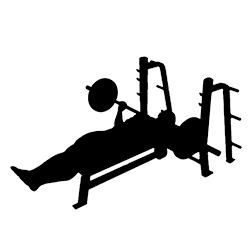
A bench press done with your legs lifted off the floor, which removes leg drive and most of the arch so your upper body has to press without help.
- Primary muscles
- Upper chest, Middle chest, Lower chest
- Secondary
- Front delts, Triceps
- Difficulty
- Intermediate
- Logged as
- Weight × reps
Loads from YouTube only when you press play. The video is by an independent creator.
Why do it
With your feet off the floor, you can't use leg drive or a big arch, so the Larsen press makes your chest, shoulders and triceps do the work alone and shows up any wobble in your setup. It suits you if you want a strict bench variation for building upper-body strength or better bar control. Expect to use less weight than on your regular bench press, and keep your upper back tight, since it's the only stable base you have.
How to do it
Lie back on a bench and grip the bar as you would for a normal bench press.
Lift your legs so your feet are off the floor and hold them out in front of you.
Unrack the bar and lower it to your chest under control.
Press it back up. Without leg drive or an arch, this is a strict test of your chest, shoulders and triceps, so expect to use less weight than usual.
Common mistakes
Rocking side to side
Without your feet down, the bar can tip you sideways. Brace your core, squeeze your shoulder blades together and press evenly with both arms.
Loading your normal bench weight
Losing leg drive costs more than most people expect. Start well below your usual bench and add weight once the bar path is steady.
Arching hard with your legs up
Pulling your knees in and arching your back sneaks the arch back in. Hold your legs out in front and keep your lower back fairly flat.
Kicking your legs to drive the bar
Swinging your legs as you press adds momentum back in. Keep them still from the unrack to the rerack.
Sets, reps and progression
How many sets you do and how close to failure you take them depend on your goal and your week, not on the exercise. These guides cover it:
Alternatives that train the same thing
Same movement, a different angle or piece of equipment.