Lateral Trainer
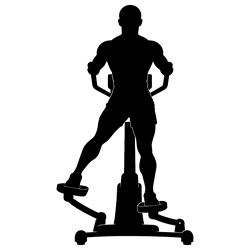
A cardio machine where your feet push out to the sides and back in, like skating, working your glutes and inner and outer thighs.
- Primary muscles
- Glutes, Abductors, Adductors
- Secondary
- Quads, Hamstrings
- Logged as
- Session: time, plus what the machine shows, such as distance and calories
Loads from YouTube only when you press play. The video is by an independent creator.
Why do it
Most cardio machines move you forward and back; the lateral trainer moves you side to side, which works your glutes and the muscles on the inside and outside of your thighs in a way bikes and treadmills don't. It's low impact and a good way to add variety to your cardio. Stride width matters as much as the level: a wider stride works your hips harder, so log both to compare sessions fairly.
How to do it
Step onto the foot pads holding the handles and start with a narrow stride on a low level.
Push your feet out to the sides and back in a smooth rhythm, like skating, staying low with your knees soft.
A wider stride works your hips and inner thighs harder; keep your upper body still and facing forward.
Narrow the stride and lower the level for the last minute. Log level and stride width as they change and copy strides and calories from the display at the end.
Common mistakes
Starting with a wide stride
A wide stride in the first minute can strain your groin. Start narrow and widen it once you're warm.
Standing too upright
Straight knees turn the movement into a shuffle. Stay low with your knees soft, like a skater.
Twisting the upper body
Let your legs do the moving and keep your chest facing forward.
Sets, reps and progression
How many sets you do and how close to failure you take them depend on your goal and your week, not on the exercise. These guides cover it:
Alternatives that train the same thing
Same movement, a different angle or piece of equipment.