Planche Push Up
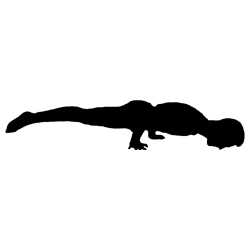
A push-up done from a full planche: your body is held flat above the floor on your hands with your feet in the air, and you lower and press from there.
- Primary muscles
- Upper chest, Middle chest, Lower chest, Front delts
- Secondary
- Triceps, Abs
- Logged as
- Reps
Loads from YouTube only when you press play. The video is by an independent creator.
Why do it
The planche push-up is one of the hardest bodyweight pressing skills and is mainly for experienced calisthenics athletes. Because your shoulders sit far in front of your hands, your front delts and chest carry far more load than in any normal push-up, and your core has to keep you flat. Expect months of progressions, from frog stand through tuck and straddle planche, before full reps. Warm up your wrists and shoulders well, and keep the volume low.
How to do it
Work up through the progressions first: frog stand, tuck planche, then straddle planche. This one takes months, not weeks.
Set your hands slightly wider than shoulder-width with your fingers spread, then lean your shoulders well out in front of your hands.
Straighten your arms and lift into a full planche with your legs extended behind you, body parallel to the floor and core locked.
Bend your elbows to lower your chest, then press back up while holding that body line. Warm up your wrists and shoulders thoroughly.
Common mistakes
Bent arms in the top position
Holding the planche with soft elbows makes it look easier than it is. Lock your arms straight at the top of each rep.
Not leaning far enough forward
If your shoulders stay over your hands, your feet won't leave the floor. Lean your shoulders well out in front of your hands.
Losing the flat body line
Piking your hips or letting them drop as you lower changes the balance and cuts the load. If you can't hold the line, go back to the straddle or tuck version.
Skipping progressions
Jumping straight to full planche push-ups leads to sloppy reps you can't repeat. Build strength in the frog stand, tuck and straddle first.
Sets, reps and progression
How many sets you do and how close to failure you take them depend on your goal and your week, not on the exercise. These guides cover it:
Alternatives that train the same thing
Same movement, a different angle or piece of equipment.