Rack Pulls
A partial deadlift from safety pins set around knee height: you stand up with a loaded barbell, mainly working your glutes, hamstrings and lower back while your traps hold the bar.
- Primary muscles
- Hamstrings, Glutes, Lower back
- Secondary
- Quads, Traps
- Difficulty
- Intermediate
- Logged as
- Weight × reps
Loads from YouTube only when you press play. The video is by an independent creator.
Why do it
Rack pulls let you handle more weight than a full deadlift because you skip the hardest part off the floor. That makes them useful for strengthening the lockout and getting your grip and traps used to heavy loads. They're less useful as a deadlift replacement, since the range is short and your quads barely work. Add weight gradually; heavy rack pulls take some getting used to, even when the movement feels easy.
How to do it
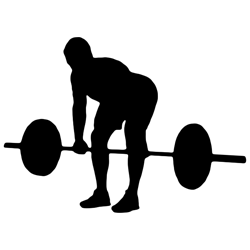
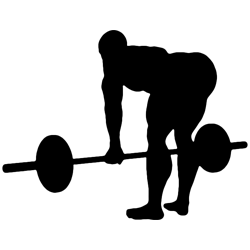
Set the safety bars at about knee height and rest a loaded barbell on them.
Stand close with your feet hip-width apart and grip the bar just outside your legs, overhand or mixed.
Set your back flat and brace, then stand up by extending your hips and knees together, keeping the bar against your legs.
Lower it back to the pins under control. Starting above the floor lets you handle more weight than a full deadlift, so add load gradually.
Common mistakes
Setting the pins too high
Starting well above the knees turns it into a heavy shrug with very little hip work. Set the bar around knee height or just below so your hips still have to extend.
Leaning back at the top
Bending backward past upright doesn't finish the lift; your glutes do. Stand tall, squeeze your glutes and stop when your hips are fully extended.
Letting the bar drift off your thighs
If the bar swings away from your legs, your lower back takes over. Keep it in contact with your thighs from the pins to lockout.
Bouncing the bar off the pins
Slamming the bar down and rebounding skips the start of each rep. Lower it under control, let it settle, reset your brace and pull again.
Sets, reps and progression
How many sets you do and how close to failure you take them depend on your goal and your week, not on the exercise. These guides cover it:
Alternatives that train the same thing
Same movement, a different angle or piece of equipment.