90 Degree Handstand Push Up
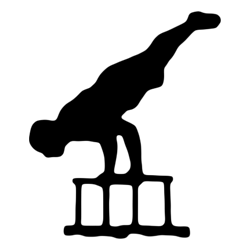
An advanced calisthenics skill: from a handstand you bend your arms and let your body tip forward to horizontal in a bent-arm planche, then press back up to the handstand.
- Primary muscles
- Front delts, Triceps
- Secondary
- Upper chest, Middle chest, Lower chest, Abs
- Logged as
- Reps
Loads from YouTube only when you press play. The video is by an independent creator.
Why do it
This is a skill for experienced calisthenics athletes who already have a steady handstand and solid handstand push-ups. It trains the front delts and triceps through a range few presses cover, with a heavy demand on balance, wrists and core. Expect to spend a long time on progressions, such as wall-assisted reps, partial ranges and help from a spotter, before you get a full rep freestanding.
How to do it
Get comfortable with a handstand and regular handstand push-ups before trying this version.
Start in a handstand with straight arms and your shoulders stacked over your wrists.
Bend your elbows and let your body travel forward as you lower, keeping your elbows pointing back, until your body is roughly horizontal in a bent-arm planche.
Press back up to the handstand with your core tight. Learn it against a wall first, since the balance is the hard part.
Common mistakes
Trying it before the prerequisites
Without a stable handstand and regular handstand push-ups, you'll fall out of it every time. Build those first, as the steps say.
Elbows flaring out
Wide elbows make the bent-arm planche much harder to hold. Keep your elbows pointing back and close to your body.
Piking at the hips
Bending at the hips shortens the lever and turns it into a different move. Keep your core tight and your body in one line as you tip forward.
Skipping the wall stage
Balance is the hard part. Practice against a wall first so you can learn the press before you try it freestanding.
Sets, reps and progression
How many sets you do and how close to failure you take them depend on your goal and your week, not on the exercise. These guides cover it:
Alternatives that train the same thing
Same movement, a different angle or piece of equipment.