
The Best Adductor Exercises, Ranked
Five exercises for your inner thighs in the order worth trying them, plus every other exercise in the library that trains the adductors.
By Jobri Fitness
The short answer
Squats and lunges already train your adductors. To train them directly, the hip adduction machine and the Copenhagen plank are the two simplest options.
The 5 best adductor exercises
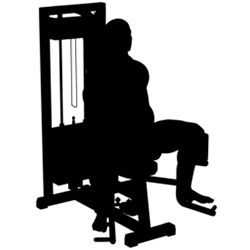
Hip Adduction
MachineSqueezing your legs together against the machine pads isolates the adductors and is easy to load in small steps.
How to do it: Hip AdductionAlso with: Cable
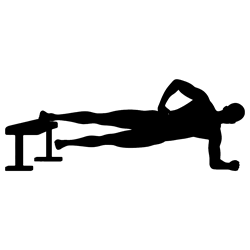
Copenhagen Plank
BodyweightA side plank with your top leg on a bench, so your adductors hold you up. Rest your knee instead of your foot on the bench to make it easier.
How to do it: Copenhagen PlankBodyweight only
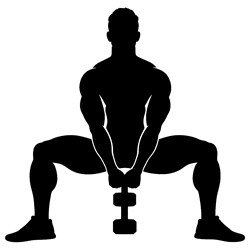
Sumo Squat
DumbbellA wide stance with your toes turned out brings the adductors into the squat along with the quads and glutes.
How to do it: Sumo SquatAlso with: Kettlebell

Cossack Squat
BodyweightA deep side-to-side squat that stretches and strengthens the adductors of the straight leg.
How to do it: Cossack SquatBodyweight only
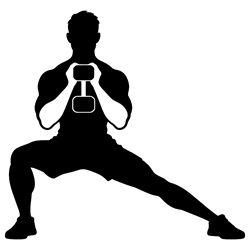
Lateral Lunge
DumbbellStepping out to the side works the adductors of both legs: one through the lunge, the other through the stretch.
How to do it: Lateral LungeAlso with: Bodyweight
How these are ranked
The machine comes first because it isolates the adductors and lets you add weight in small steps. The Copenhagen plank follows as the strongest option without equipment, and the wide and lateral squats train the adductors inside a movement you may already do. If a lower pick fits your gym better, use it.
How much adductor work you need
The number of hard sets you do each week matters more than which exercise you pick. How many sets per week to build muscle covers the numbers, and how to get bigger legs puts them into a plan. The training volume calculator counts your weekly sets per muscle, and the workout plan generator builds a week around them.
All 6 adductor exercises
Log your sets in GymEvo
Log every set, see what you lifted last time, and follow your estimated one-rep max on the free progress chart.